The dream of owning your first home is a powerful one, and for many, Breckenridge, Minnesota, offers that quintessential small-town charm coupled with friendly faces and a strong sense of community. But before you start picturing cozy evenings by a fireplace or weekend barbecues in your own backyard, it’s essential to lay a solid financial foundation. Buying a home, especially for the first time, involves more than just finding the perfect property; it requires careful planning, smart budgeting, and a clear understanding of the financial landscape. Learn more about Path to Homeownership: Financial Resources for....
This guide is designed to walk you through the financial journey of becoming a homeowner in Breckenridge. We’ll break down complex topics into digestible steps, helping you understand everything from your credit score to closing costs, and how to leverage local resources to make your homeownership dream a reality. Our goal is to empower you with the knowledge and confidence to navigate the financial aspects of purchasing your first home, ensuring a smooth and successful experience right here in the beautiful Red River Valley. Learn more about Financial Planning for First-Time Homebuyers in Mapleton, ND.

Understanding Your Financial Snapshot: The First Step
Before you even begin browsing listings, the very first step in your homebuying journey is to get a crystal-clear picture of your current financial health. Think of it as your personal financial check-up. This isn't just about knowing how much money you have in the bank; it’s about understanding the factors that lenders will consider when evaluating your mortgage application. Taking the time to do this upfront will save you headaches later and put you in a much stronger negotiating position.
Assessing Your Credit Score and History
Your credit score is like a financial GPA, a three-digit number that tells lenders how reliably you’ve managed debt in the past. Lenders in Breckenridge, and everywhere else, use this score to determine your eligibility for a mortgage and the interest rate you’ll be offered. A higher score typically means lower interest rates, which can save you tens of thousands of dollars over the life of your loan.
It’s crucial to obtain copies of your credit report from all three major bureaus (Equifax, Experian, and TransUnion) at AnnualCreditReport.com. Review them carefully for any errors, and dispute inaccuracies promptly. If your score isn't where you want it to be, focus on paying bills on time, reducing credit card balances, and avoiding opening new lines of credit. Even small improvements can make a big difference in your mortgage terms.
Calculating Your Debt-to-Income Ratio (DTI)
Another critical metric lenders scrutinize is your Debt-to-Income (DTI) ratio. This ratio compares your total monthly debt payments (credit cards, car loans, student loans, etc.) to your gross monthly income. Lenders typically prefer a DTI of 36% or less, though some programs may allow up to 43% or even higher.
To calculate your DTI, add up all your minimum monthly debt payments and divide that by your gross monthly income. For example, if your monthly debts total $1,000 and your gross income is $3,000, your DTI is 33%. A lower DTI indicates you have more disposable income to put towards a mortgage, making you a less risky borrower. If your DTI is on the higher side, consider paying down existing debts before applying for a mortgage.
Saving for Success: Down Payments and Closing Costs
Once you understand your financial standing, the next significant hurdle for many first-time buyers is accumulating the necessary funds for the upfront costs. This isn't just about the purchase price; it includes two major components: the down payment and closing costs. While these can seem daunting, with a clear strategy, they are entirely achievable, even in a charming market like Breckenridge. Learn more about First-Time Buyer Financing: How to Afford a Home in....
The Importance of a Down Payment in Breckenridge
Your down payment is the initial sum of money you pay towards the home’s purchase price, and it significantly impacts your mortgage. While a 20% down payment is often seen as the gold standard – allowing you to avoid Private Mortgage Insurance (PMI) – it’s not always a requirement. Many first-time buyer programs and FHA loans, for instance, allow for down payments as low as 3.5% or even 0% for VA or USDA loans. Learn more about First-Time Homebuyer’s Roadmap for Breckenridge, MN.
However, a larger down payment generally means a smaller loan amount, lower monthly payments, and less interest paid over the life of the loan. For Breckenridge buyers, even if you can’t hit 20%, aiming for as much as you comfortably can will put you in a stronger financial position and make your offer more attractive to sellers. Consider setting up an automatic savings plan and exploring options like gift funds from family members, if applicable, to boost your down payment fund.
Navigating Closing Costs and Other Upfront Expenses
Beyond the down payment, closing costs are a collection of fees associated with finalizing your home loan and transferring ownership. These can typically range from 2% to 5% of the loan amount and include items like loan origination fees, appraisal fees, title insurance, attorney fees, and recording fees. For a $200,000 home in Breckenridge, this could mean an additional $4,000 to $10,000.
It's vital to budget for these costs separately from your down payment. Your lender is required to provide you with a Loan Estimate within three business days of your application, detailing these expenses. Don't be afraid to ask questions about each fee! Sometimes, sellers might contribute to closing costs, especially in a buyer's market, but this is not guaranteed. Having these funds ready ensures a smooth closing process and prevents any last-minute financial surprises.
Securing Your Mortgage: Options and Pre-Approval
With your finances in order and savings growing, the next major step is to secure the financing that will turn your homeownership dream into a reality. This involves understanding the different mortgage options available and, crucially, getting pre-approved – a step that can significantly streamline your home search in Breckenridge. Learn more about Securing Your Mortgage: Financing Strategies for Home....
Exploring Mortgage Types for First-Timers
The world of mortgages can seem complex, but several types are particularly beneficial for first-time homebuyers.
- Conventional Loans: These are not insured or guaranteed by a government agency. They often require good credit and a down payment of at least 3-5% (though 20% avoids PMI).
- FHA Loans: Backed by the Federal Housing Administration, these are popular for first-time buyers due to lower credit score requirements and down payments as low as 3.5%. They do require mortgage insurance premiums (MIP) for the life of the loan.
- VA Loans: For eligible veterans, service members, and surviving spouses, VA loans offer incredible benefits, including no down payment requirement and no mortgage insurance.
- USDA Loans: Designed for rural and some suburban areas, USDA loans also offer 0% down payment options for eligible low-to-moderate income borrowers. Many areas surrounding Breckenridge may qualify for this program.
It’s worth discussing these options with a trusted local lender, like the folks at Breckenridge Community Bank, who can help you understand which loan best fits your financial situation and your Breckenridge home goals.
The Power of Pre-Approval in a Competitive Market
Getting pre-approved for a mortgage isn't just a suggestion; it's a critical step that empowers you as a buyer. Pre-approval means a lender has reviewed your financial information (credit, income, assets) and committed to lending you a specific amount, subject to an appraisal of the home.
In a market where homes can move quickly, having a pre-approval letter in hand signals to sellers and their agents that you are a serious and qualified buyer. This can give your offer a significant edge, especially if there are multiple bids. It also helps you narrow down your home search to properties within your actual budget, preventing the disappointment of falling in love with a home you can't afford. Work with a local real estate professional, such as Red River Valley Realty, who can connect you with reputable lenders in the Breckenridge area.
Beyond the Purchase Price: Ongoing Homeownership Costs
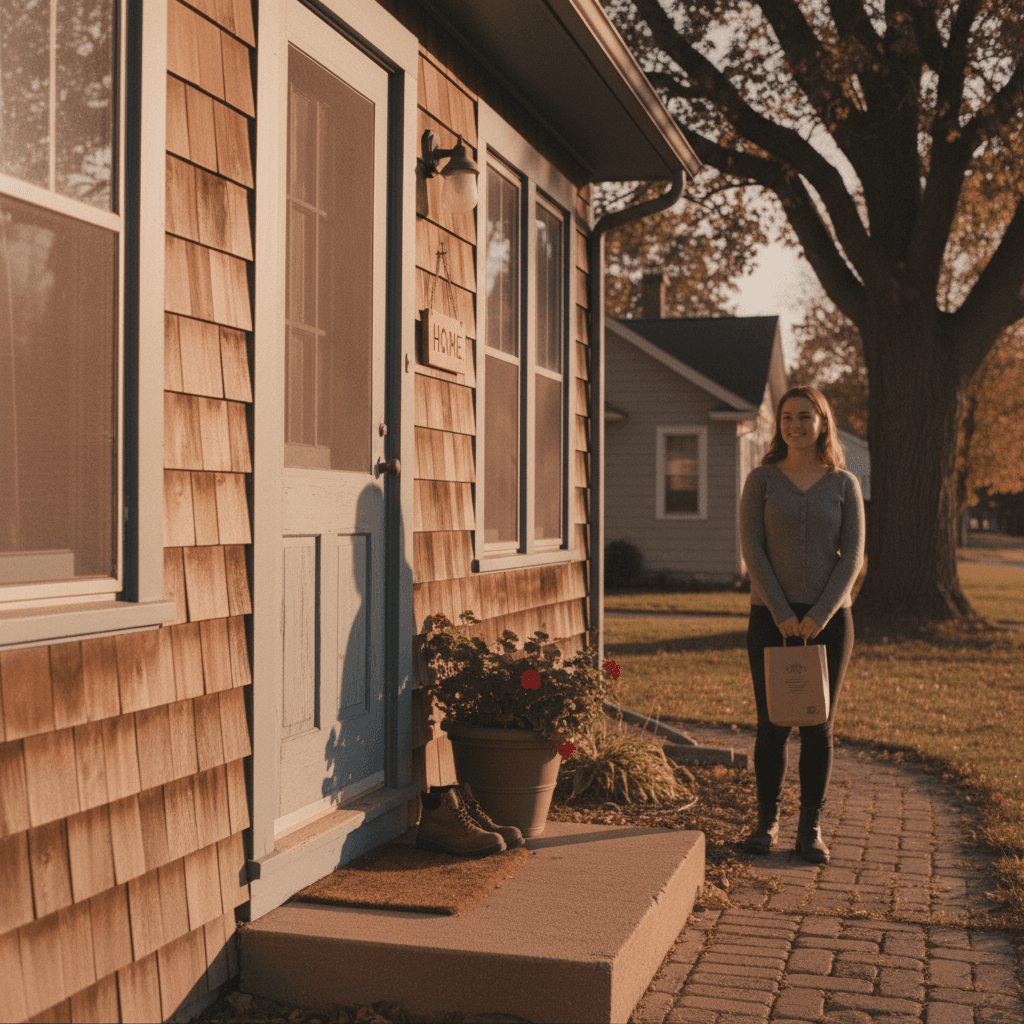
Congratulations, you’ve secured your mortgage and found your dream home! But the financial responsibilities of homeownership don't end at the closing table. It’s crucial to budget for the ongoing costs that come with owning a property in Breckenridge, ensuring your long-term financial stability.
Property Taxes and Homeowner's Insurance in Wilkin County
Two of the most significant ongoing costs are property taxes and homeowner's insurance. In Wilkin County, property taxes are assessed annually and contribute to local services like schools, roads, and emergency services. These are typically included in your monthly mortgage payment (escrowed) by your lender, but it’s wise to understand how they are calculated and anticipate potential increases. You can usually find information on current property tax rates and assessments through the Wilkin County Assessor's office.
Homeowner's insurance is another non-negotiable expense. It protects your investment against unforeseen events like fire, theft, or natural disasters. The cost will vary based on your home's value, age, construction, and your chosen coverage. It's smart to shop around for quotes from various providers, like Wilkin County Insurance, to ensure you get comprehensive coverage at a competitive rate.
Maintenance, Utilities, and Emergency Funds
Unlike renting, where your landlord handles repairs, as a homeowner, you're responsible for all maintenance. From routine tasks like lawn care and snow removal (a definite consideration in Breckenridge winters!) to unexpected repairs like a leaky roof or a furnace breakdown, these costs can add up. A good rule of thumb is to budget 1-3% of your home's value annually for maintenance. For a $200,000 home, that’s $2,000 to $6,000 per year.
Utilities are also entirely your responsibility. Factor in electricity, gas, water, sewer, and internet. These can fluctuate seasonally. Finally, build an emergency fund specifically for home-related issues. Having three to six months' worth of living expenses saved can be a lifesaver when an unexpected repair bill comes knocking. A reliable home inspection from a local expert like Prairie Home Inspections before buying can help identify potential issues, but an emergency fund is still crucial.
Local Resources and Support for Breckenridge Buyers
The journey to homeownership doesn't have to be one you take alone. Breckenridge and the wider Minnesota community offer a wealth of resources and support systems designed specifically to help first-time buyers navigate the process successfully.
Connecting with Local Lenders and Real Estate Professionals
One of the most valuable resources you have is the expertise of local professionals. Connecting with a mortgage lender who understands the Breckenridge market is paramount. They can offer insights into local property values, tax implications, and specific loan products that might be ideal for your situation. Similarly, a local real estate agent from a firm like Red River Valley Realty (already linked above) will be invaluable. They know the neighborhoods, the schools, and the nuances of buying and selling homes in this area, guiding you to properties that fit both your lifestyle and your budget. Don't hesitate to interview a few professionals to find the right fit for your needs. For detailed financial planning beyond just the mortgage, consider consulting with a local expert like Breckenridge Financial Planning.
First-Time Buyer Programs in Minnesota
Minnesota is home to several programs designed to assist first-time homebuyers, often providing financial assistance for down payments and closing costs, or offering favorable mortgage rates. The Minnesota Housing Finance Agency (MHFA) is a key resource, offering a variety of loan programs with competitive interest rates and down payment assistance options. These programs often have income and purchase price limits, so it's important to check eligibility requirements.
Additionally, some local municipalities or non-profit organizations might offer their own specific programs. It's always a good idea to research these opportunities and discuss them with your chosen lender. Leveraging these programs can significantly reduce the upfront financial burden and make homeownership more accessible for many Breckenridge residents. When it comes to finalizing your purchase, a trusted local firm like Gateway Title Services can ensure a smooth and secure transaction.
Conclusion
Buying your first home in Breckenridge, MN, is an exciting milestone, a true investment in your future and a deeper connection to this wonderful community. While the financial aspects can seem complex, remember that every successful homeowner has navigated these steps. By diligently assessing your financial snapshot, strategically saving for your down payment and closing costs, understanding your mortgage options, and preparing for ongoing homeownership expenses, you’re not just dreaming – you’re actively building a path to owning your own piece of the Red River Valley.
Take it one step at a time, lean on the expertise of local professionals, and stay focused on your goals. With careful planning and a clear financial strategy, the keys to your first Breckenridge home are well within reach. Happy house hunting!
Frequently Asked Questions
What is a typical down payment for a first home in Breckenridge, MN?
While a 20% down payment helps avoid Private Mortgage Insurance (PMI), many first-time buyers in Breckenridge opt for FHA loans with as little as 3.5% down, or even 0% with VA or USDA loans if eligible. The best approach is to save as much as you comfortably can, as a larger down payment can lead to lower monthly payments and more favorable loan terms.
How do I find a good real estate agent and lender in Breckenridge?
Start by asking for recommendations from friends, family, or colleagues who have recently bought homes in the Breckenridge area. Look for agents and lenders with strong local experience and positive client reviews. Interview a few professionals to ensure their communication style and expertise align with your needs. Local real estate firms and banks are often excellent starting points.
Are there any specific first-time homebuyer programs available in Minnesota?
Yes, the Minnesota Housing Finance Agency (MHFA) offers various programs specifically for first-time homebuyers, including competitive interest rates and down payment assistance options. Eligibility often depends on income and purchase price limits. It's highly recommended to discuss these programs with a local mortgage lender who is familiar with MHFA offerings.
What are common closing costs for a home purchase in Breckenridge?
Closing costs typically range from 2% to 5% of the loan amount and cover fees such as loan origination, appraisal, title insurance, and legal services. For a home in Breckenridge, this can add several thousand dollars to your upfront expenses. Your lender will provide a detailed Loan Estimate outlining these costs, and it's essential to budget for them separately from your down payment.
What ongoing costs should I budget for after buying a home in Breckenridge?
Beyond your mortgage payment, budget for property taxes (assessed by Wilkin County), homeowner's insurance, and utilities (electricity, gas, water, internet). It's also wise to allocate 1-3% of your home's value annually for maintenance and repairs, and establish an emergency fund for unexpected home-related expenses, especially considering Minnesota's seasonal weather changes.
Need help with your real estate journey?
Our team is here to help you navigate the market with confidence.