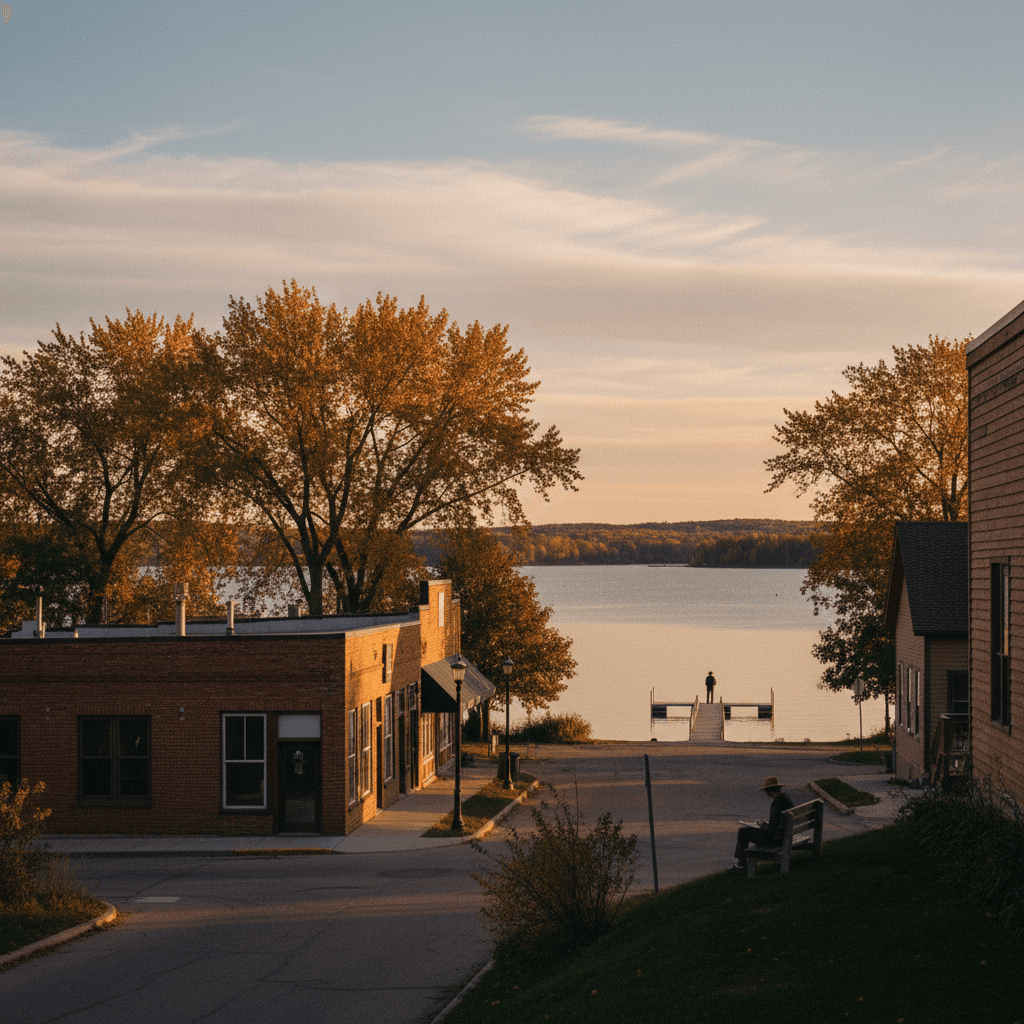
Selling your home in Fargo, North Dakota, is a significant financial transaction, and understanding the legal and tax implications involved is crucial for a smooth and profitable experience. Beyond the excitement of finding a new buyer and preparing for your next chapter, a successful home sale hinges on meticulous attention to legal documents, disclosure requirements, and potential tax obligations. Whether you've enjoyed years of family gatherings near Island Park or watched your children thrive at Fargo North High School, preparing to sell means navigating a landscape of regulations designed to protect both buyers and sellers. This guide will walk you through the essential legal and tax considerations specific to selling property in Fargo, helping you approach your sale with confidence and clarity.

Understanding North Dakota Real Estate Law for Sellers
North Dakota's real estate laws are designed to create a transparent and equitable process for all parties involved in a property sale. For sellers, this primarily revolves around understanding your responsibilities for disclosures, the intricacies of the purchase agreement, and the formal steps leading up to closing. Engaging with a knowledgeable local real estate agent and, often, a real estate attorney, is paramount to ensure compliance and protect your interests.
Key Legal Documents and Disclosures
When selling a home in Fargo, you'll encounter several critical legal documents. The most prominent among these is the North Dakota Seller's Property Disclosure Statement. This document requires you to reveal known defects or issues with your property, covering everything from structural integrity and plumbing to environmental hazards and past repairs. Honesty and thoroughness here are not just good practice; they are legal requirements. Failing to disclose known issues can lead to legal complications down the line, even after the sale is complete. Beyond the standard disclosure, other documents such as lead-based paint disclosures (for homes built before 1978) and specific property condition reports may be necessary. Your real estate professional will guide you through compiling all required documentation accurately. These disclosures provide potential buyers, perhaps enjoying a morning coffee at Young Blood Coffee while reviewing listings, with the comprehensive information they need to make an informed decision.
Navigating the Closing Process in Fargo
The closing process is the final stage of your home sale, where ownership officially transfers from seller to buyer. In North Dakota, this typically involves a title company or an attorney facilitating the transaction. Key steps include signing the deed, bill of sale, and various affidavits. Funds are disbursed, property taxes are prorated, and all closing costs are settled. It’s a complex process that requires careful review of all documents to ensure accuracy. A local title company will conduct a thorough title search to ensure there are no liens or encumbrances on the property, providing clear title to the buyer. Once all documents are signed and funds exchanged, you can celebrate your successful sale, perhaps with a fine meal at Doolittles Woodfire Grill.
Tax Implications of Selling Your Fargo Home
Beyond the immediate transaction, selling your home in Fargo can have significant tax implications that savvy sellers prepare for in advance. Understanding potential capital gains taxes, property tax prorations, and other deductions can impact your net proceeds and overall financial planning.
Capital Gains and Exemptions
One of the most common tax considerations for home sellers is capital gains tax. This tax applies to the profit you make from selling an asset, including real estate. However, the IRS offers a substantial exemption for primary residences. If you have owned and lived in the home as your primary residence for at least two of the five years preceding the sale, you may be able to exclude up to $250,000 of capital gain (or $500,000 if married filing jointly) from your taxable income. This exemption can significantly reduce or even eliminate your capital gains tax liability. It's crucial to keep meticulous records of your home's purchase price, improvement costs (which can increase your cost basis and reduce your gain), and selling expenses. Consulting with a tax professional experienced in North Dakota real estate transactions is highly recommended to understand your specific situation and maximize your exemptions.

Property Tax Prorations and Other Deductions
Property taxes in Fargo are typically paid in arrears. This means that at closing, the seller is responsible for the portion of property taxes accrued up to the closing date, and the buyer assumes responsibility from that point forward. The title company will handle the proration of these taxes, ensuring a fair division between buyer and seller. Additionally, sellers may be able to deduct certain expenses related to the sale, such as real estate agent commissions, legal fees, and some closing costs. These deductions can help offset your taxable gain. Understanding how these prorations and deductions work is vital for an accurate financial picture of your sale. The property taxes you pay contribute to the excellent local infrastructure, including maintaining community spaces like Edgewood Golf Course and supporting essential services provided by entities like Sanford Health Fargo.
Protecting Your Interests: Legal Counsel and Due Diligence
While selling a home can seem straightforward, unforeseen issues can arise. Proactive measures, including seeking professional legal advice and conducting thorough due diligence, are your best defense against potential complications.
The Value of a Local Real Estate Attorney
While North Dakota law does not mandate the use of an attorney for real estate transactions, having a local real estate attorney on your side is a wise investment, especially when dealing with complex legal documents and potential disputes. An attorney can review your purchase agreement, ensure all disclosures are properly handled, and represent your interests throughout the closing process. They can provide invaluable advice on contingencies, title issues, and any unique circumstances that may arise. Their expertise in North Dakota property law can save you considerable stress and potential financial loss, ensuring your transaction aligns with local regulations and best practices.
Ensuring a Smooth Transaction
A smooth transaction is the goal for every seller. This involves not only legal and tax preparedness but also being proactive in presenting your home and managing expectations. Consider a pre-inspection to identify and address any major issues before listing, which can prevent surprises during buyer inspections. Be responsive to requests from your agent and the buyer’s team, and keep open lines of communication. Understanding your local market dynamics, including current inventory and buyer demand in neighborhoods near amenities like the Scheels Arena & Sports Complex, also plays a role in setting a realistic price and managing the sales timeline. By taking these steps, you minimize risks and pave the way for a successful and stress-free sale.
Selling your home in Fargo, ND, is a detailed process that demands careful attention to legal requirements and tax implications. By familiarizing yourself with North Dakota's disclosure laws, understanding capital gains exemptions, and seeking professional guidance from real estate agents, attorneys, and tax advisors, you can navigate the complexities with confidence. A well-prepared seller is a successful seller, ensuring a smooth transition and maximizing your investment. Remember, informed decisions today lead to a seamless closing tomorrow.
Frequently Asked Questions
What are the common seller disclosure requirements in North Dakota?
In North Dakota, sellers are typically required to complete a Seller's Property Disclosure Statement, which details known defects or issues with the property's structure, systems, and environmental factors. For homes built before 1978, a lead-based paint disclosure is also mandatory. Full honesty and thoroughness are crucial to avoid future legal complications.
How are property taxes handled at closing when selling a home in Fargo?
Property taxes in Fargo are generally paid in arrears. At closing, the seller is responsible for their portion of the property taxes up to the closing date. The title company or closing agent will calculate this amount and prorate it, ensuring the seller pays for the period they owned the home, and the buyer assumes responsibility from the closing date onward.
Do I need a real estate attorney to sell my home in Fargo, ND?
While North Dakota law does not legally mandate that sellers use an attorney for real estate transactions, it is highly recommended. A local real estate attorney can review contracts, ensure all disclosures are correctly handled, address any title issues, and represent your best interests throughout the complex closing process, providing valuable legal protection and peace of mind.
What are the capital gains tax implications for selling my primary residence in Fargo?
If you've owned and lived in your Fargo home as your primary residence for at least two of the past five years, you may be eligible for a significant capital gains tax exclusion. Single filers can exclude up to $250,000 of profit, while married couples filing jointly can exclude up to $500,000. It's essential to keep records of your purchase price and any home improvements to accurately calculate your gain and consult with a tax professional.
Need help with your real estate journey?
Our team is here to help you navigate the market with confidence.