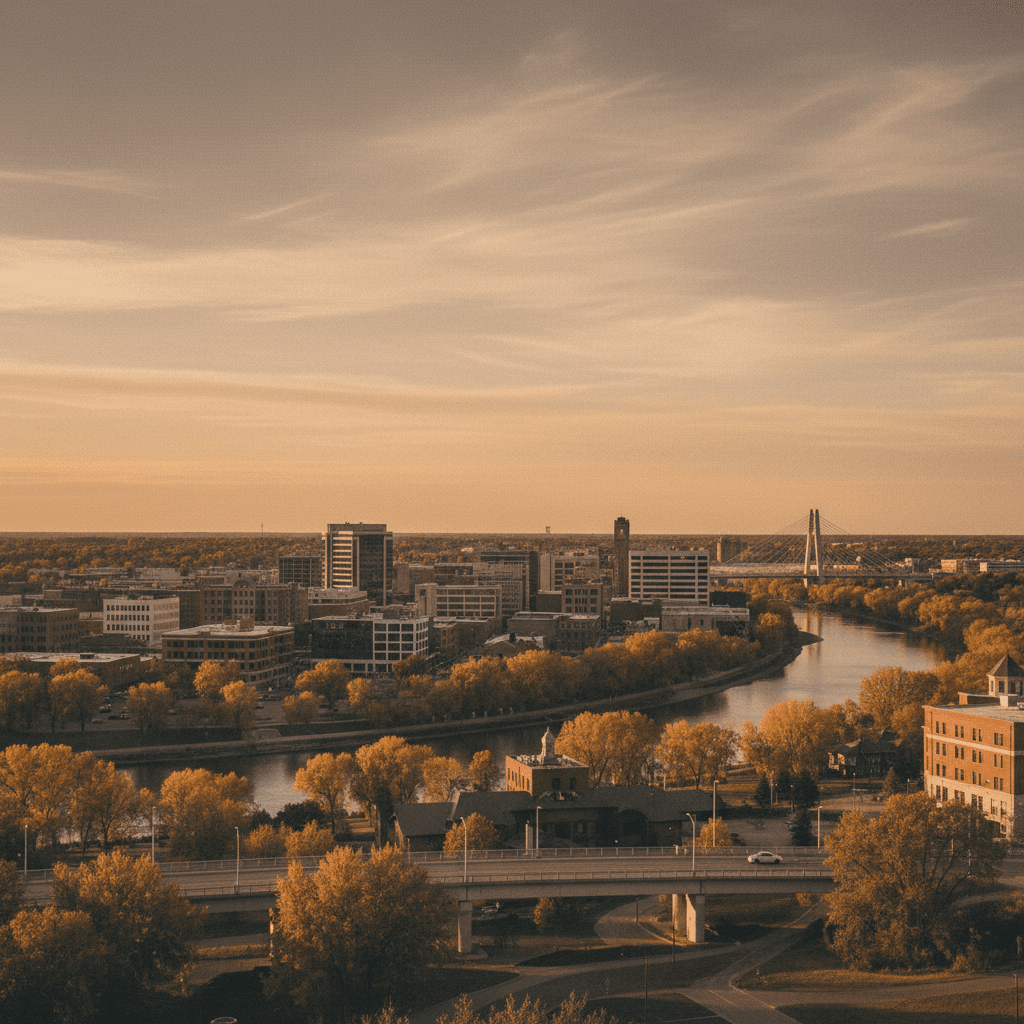
Buying or selling a home in Grand Forks, ND, is an exciting journey, but navigating the world of home loans and mortgages can feel a bit overwhelming. Whether you're a first-time buyer dreaming of a cozy bungalow near Lincoln Park or a seasoned homeowner looking to upgrade, understanding the financial landscape is key. This guide is designed to demystify the mortgage process, helping you feel confident and informed every step of the way, right here in our vibrant Grand Forks community.
From the initial application to closing day, we'll break down the essential concepts, explore different loan types, and highlight local considerations that can impact your home financing journey. Think of this as your friendly roadmap to securing the best possible financing for your Grand Forks home, allowing you to focus on enjoying everything our city has to offer, from a morning coffee at Bully Brew Coffee Grand Forks to cheering on the Fighting Hawks at the University of North Dakota.

Getting Started: Understanding Mortgage Basics
Before you dive into house hunting, it's crucial to grasp the fundamental components of a mortgage. A mortgage isn't just a big loan; it's a long-term commitment that will shape your financial future. Knowing the lingo and the key factors involved will empower you to make smarter decisions. Learn more about Financial Prep 101: A Guide for First-Time Homebuyers in....
What is a Mortgage and How Does it Work?
At its core, a mortgage is a loan used to purchase a home or to retain a home that you already own. It's secured by the property itself, meaning if you fail to make payments, the lender can take possession of your home through foreclosure. When you take out a mortgage, you're essentially borrowing a large sum of money from a lender and agreeing to pay it back, with interest, over a set period – typically 15 or 30 years. Your monthly payment usually includes principal (the amount you borrowed), interest (the cost of borrowing), property taxes, and homeowner's insurance (often collectively known as PITI).
Understanding these components is vital. The principal reduces your loan balance, while interest is the profit for the lender. Property taxes are collected by your lender and paid to the city or county (like Grand Forks County) to fund local services, and homeowner's insurance protects your investment against damage or loss. Many homeowners also opt for private mortgage insurance (PMI) if their down payment is less than 20% of the home's purchase price, which protects the lender in case you default.
Key Factors Influencing Your Loan Eligibility and Terms
When you apply for a mortgage, lenders in Grand Forks and elsewhere will scrutinize several aspects of your financial profile to determine your eligibility and the terms of your loan. These include your credit score, income, debt-to-income (DTI) ratio, and down payment.
- Credit Score: This three-digit number is a snapshot of your creditworthiness. A higher score indicates a lower risk to lenders, often translating to better interest rates. Make sure your credit report is accurate and address any discrepancies before applying.
- Income and Employment History: Lenders want to see stable income and employment. They'll typically review your last two years of tax returns and pay stubs to ensure you have the capacity to repay the loan.
- Debt-to-Income (DTI) Ratio: This ratio compares your total monthly debt payments to your gross monthly income. Lenders generally prefer a DTI ratio of 43% or lower, though this can vary by loan type and lender.
- Down Payment: The amount of money you pay upfront for your home significantly impacts your loan. A larger down payment can reduce your loan amount, lower your monthly payments, and potentially eliminate the need for PMI.
By understanding and optimizing these factors, you can put yourself in a stronger position to secure favorable mortgage terms for your Grand Forks home.
Types of Mortgages: Finding Your Fit in Grand Forks
Not all mortgages are created equal. There's a variety of loan products available, each with its own benefits and drawbacks. Knowing the common types will help you choose the one that best suits your financial situation and homeownership goals in Grand Forks.
Fixed-Rate vs. Adjustable-Rate Mortgages (ARMs)
The first major distinction you'll encounter is between fixed-rate and adjustable-rate mortgages.
- Fixed-Rate Mortgages: As the name suggests, the interest rate on a fixed-rate mortgage remains the same for the entire life of the loan. This provides predictability and stability in your monthly payments, making budgeting easier. Common terms are 15-year and 30-year fixed-rate mortgages. Many first-time buyers in Grand Forks appreciate the peace of mind a fixed rate offers, especially when planning for other expenses like enjoying a meal at the family-owned Northside Cafe.
- Adjustable-Rate Mortgages (ARMs): With an ARM, the interest rate is fixed for an initial period (e.g., 3, 5, 7, or 10 years) and then adjusts periodically based on a market index. While ARMs often start with lower interest rates than fixed-rate loans, the payments can increase or decrease significantly after the initial fixed period. ARMs can be appealing if you plan to sell or refinance before the adjustment period kicks in, but they carry more risk due to potential payment fluctuations.
Government-Backed Loans: FHA, VA, and USDA
Beyond conventional loans (which aren't insured by the government), several government-backed options can make homeownership more accessible, especially for those with lower down payments or specific eligibility criteria.
- FHA Loans: Insured by the Federal Housing Administration, FHA loans are popular among first-time homebuyers in Grand Forks because they require a lower down payment (as little as 3.5%) and have more flexible credit requirements than conventional loans. However, they do require mortgage insurance premiums (MIP) for the life of the loan or until you meet certain equity thresholds.
- VA Loans: Backed by the U.S. Department of Veterans Affairs, VA loans offer incredible benefits to eligible service members, veterans, and their spouses. These loans often require no down payment, no private mortgage insurance, and competitive interest rates. It's a fantastic option for those who have served our country and are looking to settle down in Grand Forks.
- USDA Loans: The U.S. Department of Agriculture offers loans to low- and moderate-income buyers in eligible rural and suburban areas. Many areas surrounding Grand Forks, and even some within its expanding boundaries, might qualify. These loans often require no down payment and offer favorable terms, making them an excellent option for those looking outside the immediate city center.
Exploring these options with a local Grand Forks lender is crucial to determine which loan type is the best fit for your unique circumstances.
The Mortgage Application Journey: What to Expect
Once you've got a handle on the basics and explored loan types, it's time to prepare for the application process itself. This isn't just about filling out forms; it's about presenting a strong financial profile to lenders.
Pre-Approval vs. Pre-Qualification: What's the Difference?
These terms are often used interchangeably, but there's a significant difference that can impact your home search in Grand Forks.
- Pre-Qualification: This is an informal estimate of how much you might be able to borrow. You provide basic financial information (income, debts) to a lender, who then gives you an estimated loan amount without verifying your information. It's a good starting point to get a rough idea of your budget.
- Pre-Approval: This is a much more rigorous process. A lender will review your credit report, verify your income and assets, and essentially give you a conditional commitment for a specific loan amount. A pre-approval letter shows sellers that you're a serious and qualified buyer, giving you a significant advantage in Grand Forks' competitive housing market. It's highly recommended before you start actively looking at homes.
Steps in the Mortgage Application Process
Applying for a mortgage involves several key steps:
- Gather Your Documents: You'll need pay stubs, W-2s, tax returns, bank statements, and investment account statements. Having these ready will streamline the process.
- Submit Your Application: Work with a mortgage lender to complete the application form, providing all necessary financial and personal information.
- Loan Processing: The lender's team will review your application, verify your documents, order an appraisal of the property, and conduct a title search. This stage involves a lot of behind-the-scenes work to ensure everything is in order.
- Underwriting: An underwriter assesses the risk of lending to you. They review your credit, income, assets, and the property appraisal to make a final decision on your loan.
- Closing: If approved, you'll sign all the necessary paperwork, pay closing costs, and officially become the homeowner. This is the exciting moment you get the keys to your new Grand Forks home!
Throughout this process, clear communication with your lender is essential. Don't hesitate to ask questions if something is unclear. Whether you're a student at UND or a professional working at Altru Health System, managing your finances and documentation meticulously will make this journey smoother.
Beyond the Loan: Closing Costs and Local Considerations
Securing a mortgage is a huge step, but it's not the only financial aspect of buying a home. You'll also need to budget for closing costs and be aware of Grand Forks-specific factors. Learn more about Securing the Best Mortgage Rates: A Financial Guide for....
Understanding Closing Costs
Closing costs are fees paid at the close of a real estate transaction. These are separate from your down payment and can range from 2% to 5% of the loan amount. They cover various services and expenses, including:
- Lender Fees: Origination fees, underwriting fees, application fees.
- Third-Party Fees: Appraisal fees (to determine the home's value), title search and insurance (to ensure clear ownership), attorney fees (if applicable), survey fees.
- Prepaid Expenses: Property taxes and homeowner's insurance premiums that are paid in advance.
It's vital to get a detailed breakdown of these costs from your lender early in the process so you can budget accordingly. Sometimes, sellers may contribute to closing costs, especially in a buyer's market, so it's worth discussing with your real estate agent.
Local Market Insights and Amenities in Grand Forks
Grand Forks offers a unique blend of community, amenities, and affordability that makes it an attractive place to live. When considering your mortgage and home purchase, it's wise to factor in the local lifestyle. Learn more about Balancing the Budget: A Lifestyle and Mortgage Guide for....
- Neighborhoods: From the established charm of areas near Red River High School to newer developments, Grand Forks has diverse neighborhoods. Your chosen neighborhood can influence property values and, consequently, your loan amount.
- Cost of Living: Compared to larger metropolitan areas, Grand Forks generally boasts a lower cost of living, which can make your mortgage payments more manageable. This allows you to enjoy local attractions like an evening at Toasted Frog or a fitness class at Choice Health & Fitness without undue financial strain.
- Property Taxes: North Dakota has relatively low property taxes compared to many other states, which is a definite plus for homeowners. However, tax rates vary by specific location within Grand Forks, so always check the exact figures for any property you're considering.
- Local Economy: A strong local economy, bolstered by institutions like the University of North Dakota and Altru Health System, contributes to a stable housing market. This stability can give you confidence in your long-term investment.
Staying informed about the local market trends is just as important as understanding your loan terms. Your real estate agent will be an invaluable resource for Grand Forks-specific insights.
Selling Your Grand Forks Home: Mortgage Implications
For current Grand Forks homeowners, understanding your mortgage is just as crucial when it comes time to sell. Your existing loan will play a significant role in the selling process and your financial outcome.
Paying Off Your Existing Mortgage
When you sell your home, the proceeds from the sale are used to pay off your outstanding mortgage balance. This process is handled by the title company or closing agent. They will ensure that your lender receives the full payoff amount, including any accrued interest up to the closing date. It's important to request a payoff statement from your current lender well in advance of closing to get an accurate figure. Any remaining funds after the mortgage and closing costs are paid will go to you, the seller.
Understanding your equity – the difference between your home's market value and what you still owe on your mortgage – is key here. The more equity you have, the more money you'll walk away with after the sale. If you're selling to purchase another home in Grand Forks, this equity often becomes your down payment for the new property.
Navigating Mortgage Portability and New Loans
While most mortgages are not 'portable' in the sense that you can directly transfer your existing loan to a new property, some specific government-backed loans, like certain VA loans, might offer some flexibility. However, for most conventional mortgages, you'll be paying off your old loan and applying for a new one for your next home.
If you're buying another home in Grand Forks, the process of applying for a new mortgage will be similar to your first experience, though perhaps with more confidence. You'll still need to consider your credit score, DTI, and down payment. If you're using the proceeds from your sale for a down payment, ensure the timing aligns perfectly to avoid any financial gaps. Working with a local real estate agent and mortgage lender who understand the Grand Forks market can help you coordinate these transactions smoothly, ensuring a seamless transition from one home to the next. Learn more about Buying a Home in Fergus Falls, MN: Mortgage Options and....
Refinancing Options: Maximizing Your Investment
Even if you're not selling, refinancing your Grand Forks home can be a smart financial move. Refinancing involves replacing your current mortgage with a new one, often with different terms.
When Does Refinancing Make Sense?
There are several compelling reasons why Grand Forks homeowners consider refinancing:
- Lower Interest Rates: If current interest rates are significantly lower than your existing mortgage rate, refinancing can reduce your monthly payments and save you a substantial amount over the life of the loan.
- Shorter Loan Term: You might choose to refinance from a 30-year to a 15-year mortgage. While your monthly payments might increase, you'll pay off your home faster and pay less interest overall.
- Switching from ARM to Fixed-Rate: If you have an adjustable-rate mortgage and want the stability of a fixed payment, refinancing can lock in your interest rate for the long term, eliminating the uncertainty of future rate adjustments.
- Cash-Out Refinance: This option allows you to borrow more than you owe on your current mortgage and receive the difference in cash. Homeowners often use this cash for home improvements, debt consolidation, or other significant expenses, leveraging the equity they've built in their Grand Forks property.
Before deciding to refinance, it's crucial to weigh the potential savings against the closing costs associated with the new loan. A local mortgage professional can help you calculate whether refinancing is financially beneficial for your specific situation.
Types of Refinance Loans
Just like with initial home purchases, there are different types of refinance loans:
- Rate-and-Term Refinance: This is the most common type, where you change your interest rate, loan term, or both, without taking out additional cash.
- Cash-Out Refinance: As mentioned, this allows you to tap into your home equity by taking out a new, larger mortgage and receiving the difference in cash.
- FHA Streamline Refinance: For existing FHA loan holders, this is a simplified refinance process that often requires less paperwork and no appraisal, making it quicker and easier to secure a lower rate.
- VA Interest Rate Reduction Refinance Loan (IRRRL): Similar to FHA Streamline, this option allows eligible veterans to refinance their existing VA loan to a lower interest rate with minimal documentation.
Each refinance option has specific eligibility criteria and benefits. Discussing your financial goals with a trusted Grand Forks lender is the best way to determine which refinance path is right for you, helping you make the most of your home investment.
Conclusion: Your Grand Forks Homeownership Journey
Navigating the world of home loans and mortgages in Grand Forks might seem complex at first, but with a clear understanding of the basics, the different loan types, the application process, and local considerations, you're well-equipped to make informed decisions. Whether you're a first-time buyer embarking on a new chapter or a seasoned homeowner looking to optimize your investment, the journey to homeownership here in Grand Forks is a rewarding one. Learn more about Navigating Closing Costs: A Buyer’s Financial Guide to....
Remember, you don't have to go it alone. Local real estate professionals and mortgage lenders are invaluable resources, offering expertise tailored to the Grand Forks market. They can guide you through every step, ensuring you secure the best financing for your needs, allowing you to settle into your dream home and enjoy all the wonderful experiences our community has to offer.
Frequently Asked Questions
What is a good credit score to buy a house in Grand Forks, ND?
While specific requirements vary by lender and loan type, generally a credit score of 620 or higher is considered good for conventional loans. FHA loans may accept scores as low as 580 with a 3.5% down payment, and VA loans often have no minimum credit score requirement, though lenders will still assess creditworthiness. A higher score will typically qualify you for better interest rates.
How much down payment do I need for a home in Grand Forks?
The down payment depends on the loan type. Conventional loans typically require a minimum of 3-5%, with 20% helping you avoid private mortgage insurance (PMI). FHA loans require as little as 3.5% down. VA and USDA loans often allow for 0% down payment for eligible borrowers. It's always best to consult with a local Grand Forks lender to understand your specific options based on your financial situation.
Are property taxes high in Grand Forks, North Dakota?
Compared to many other states, North Dakota generally has relatively low property taxes. However, the exact amount will vary based on the assessed value of the property and the specific mill levies in your Grand Forks neighborhood. It's important to factor these taxes into your monthly mortgage payment (PITI) and get an estimate for any property you are considering.
What are common closing costs when buying a home in Grand Forks?
Closing costs in Grand Forks typically range from 2% to 5% of the loan amount and cover various fees. These can include lender fees (origination, underwriting), third-party fees (appraisal, title search, title insurance), and prepaid expenses (property taxes, homeowner's insurance). Your lender will provide a detailed Loan Estimate outlining these costs early in the process.
Can I get a mortgage if I'm a student at the University of North Dakota?
Yes, it is possible for a student at the University of North Dakota to qualify for a mortgage, but it depends on several factors. Lenders will assess your income stability (e.g., part-time job, stipends, qualified student loan deferments), credit history, debt-to-income ratio, and down payment. Full-time students with limited work history might find it more challenging, but co-signers or specific loan programs could be options. Consulting with a local lender is the best first step.
Need help with your real estate journey?
Our team is here to help you navigate the market with confidence.