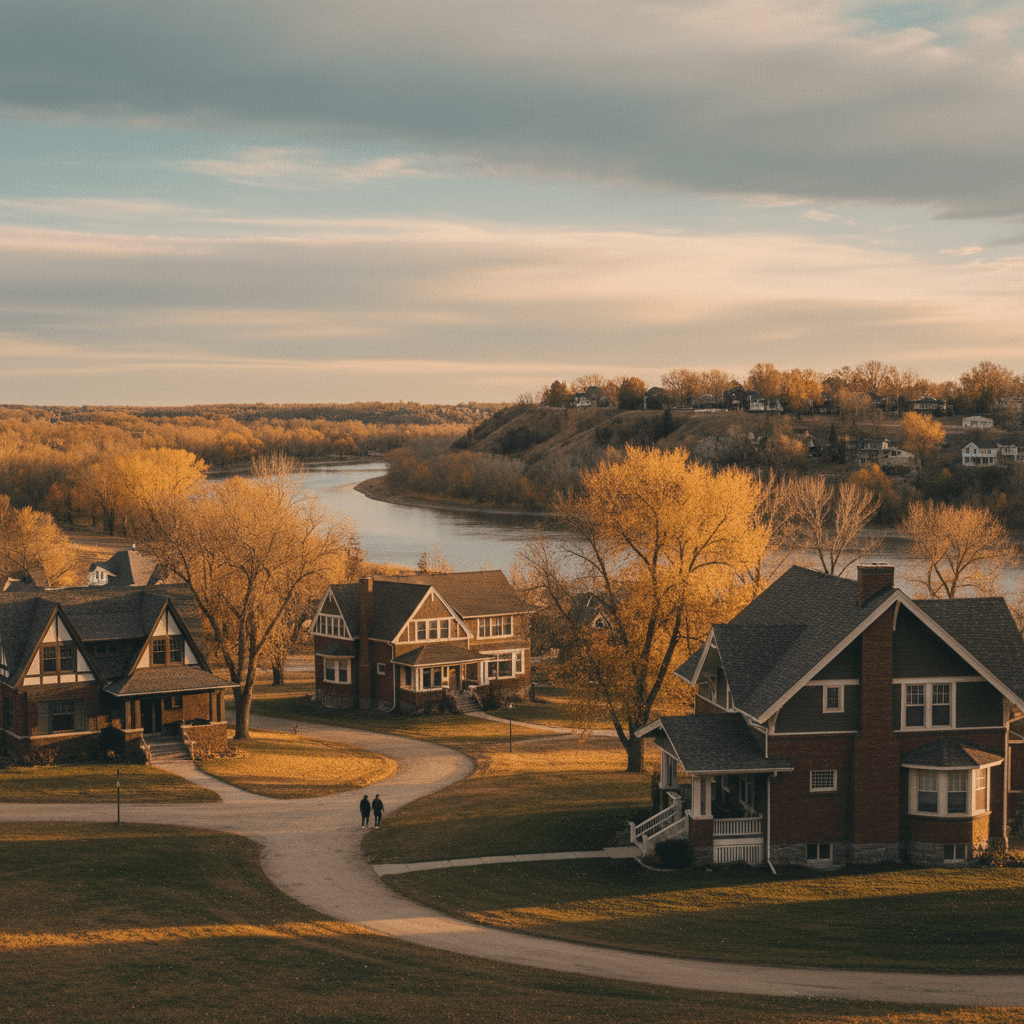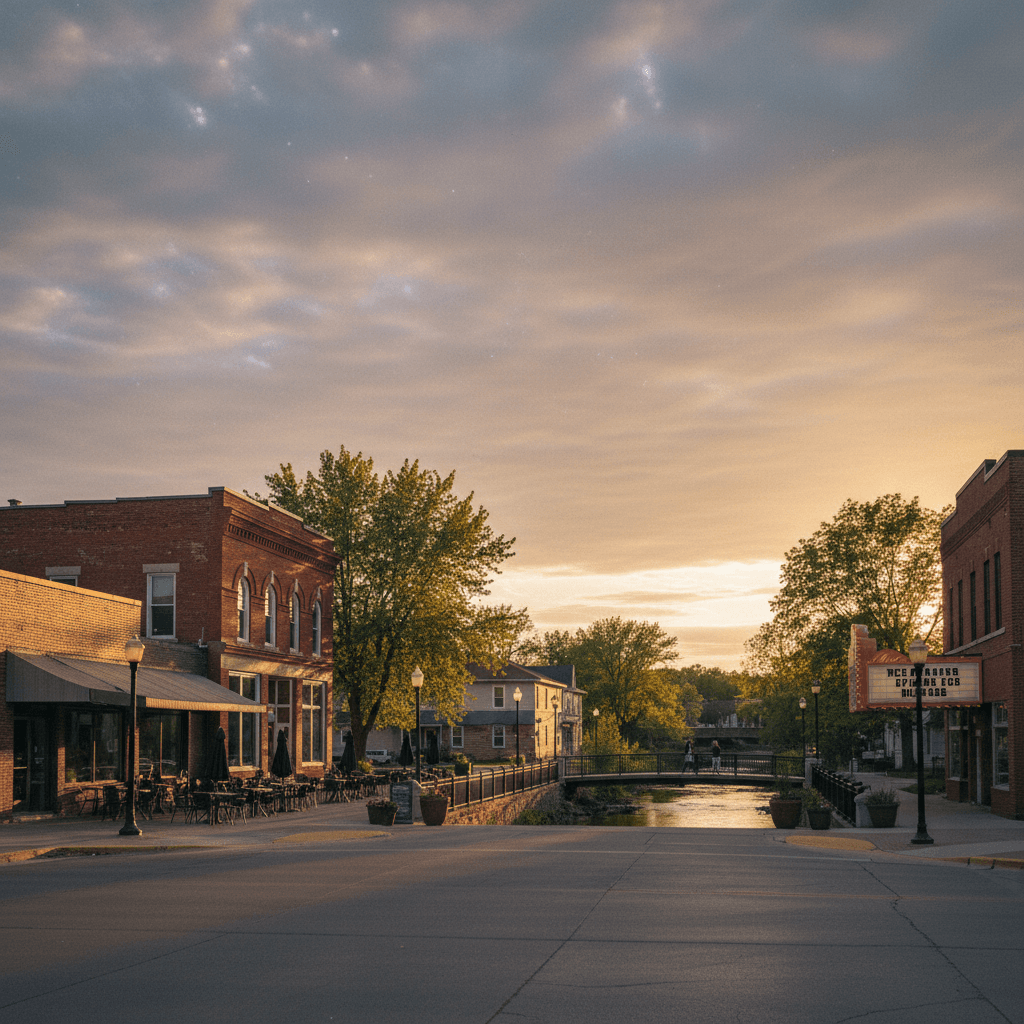
When considering a move, understanding the financial landscape of a new community is paramount. For those evaluating Hillsboro, North Dakota, a comprehensive analysis of the cost of living reveals a nuanced picture, particularly from a financial perspective. Nestled in Traill County, Hillsboro offers a unique blend of small-town charm and agricultural prosperity, influencing everything from housing prices to daily expenditures. This deep dive aims to equip prospective residents with the data-driven insights necessary to determine if Hillsboro aligns with their financial goals and lifestyle expectations. Learn more about Understanding Property Taxes and Zoning Laws in....
As a market analyst, my objective is to provide a clear, professional assessment, dissecting the various components that contribute to the overall cost of living. We will explore key areas such as housing, transportation, utilities, groceries, healthcare, and local taxation, comparing Hillsboro's figures against state and national averages to provide a robust framework for financial planning. Our analysis will demonstrate that while certain costs may be higher or lower than the national benchmark, Hillsboro generally presents an accessible financial environment, especially when considering the quality of life it offers. Learn more about The Financial Side of Selling: Closing Costs and Net....

Understanding Hillsboro's Overall Cost of Living Index
A Comparative Financial Overview
The overall cost of living index serves as a foundational metric for evaluating affordability. In Hillsboro, ND, the cost of living generally hovers below the national average, making it an attractive option for individuals and families seeking greater purchasing power. While specific granular data for Hillsboro can fluctuate, regional trends in North Dakota indicate that the state's cost of living is typically 5-10% lower than the national average. This translates directly into more disposable income for residents, or the ability to acquire more substantial assets, such as a home, for a lower initial investment. Learn more about Hillsboro, ND Real Estate Market Report: Financial....
This advantageous position is largely driven by more affordable housing costs, which often constitute the largest portion of a household budget. However, it is crucial to examine each component individually, as certain categories, like utilities or specific goods, might align more closely with national figures due to broader market forces. For instance, while housing might be significantly lower, the cost of imported goods or certain services might not see the same reduction. Our analysis will meticulously break down these categories to provide a clear, actionable financial outlook for potential Hillsboro residents. Learn more about Financial Wisdom for New Homeowners in Hillsboro, ND.
Housing Market Analysis: Affordability and Trends
Residential Real Estate Value and Investment
The housing market in Hillsboro is a defining factor in its cost of living appeal. Unlike many urban or suburban centers experiencing rapid appreciation, Hillsboro's market tends to be stable and more accessible. The median home price in Hillsboro typically falls well below both the North Dakota state average and the national median, often by 20-30% or more. This affordability makes homeownership a realistic goal for a broader spectrum of income levels, significantly reducing monthly housing expenditures compared to larger metropolitan areas. According to recent market trends, even with modest appreciation rates, the value proposition remains strong for buyers.
For example, a typical single-family home in Hillsboro might be available for a price that would only secure a down payment in a more expensive market. This translates into lower mortgage payments, reduced property taxes (which we will discuss further), and potentially a faster path to equity. Rental costs also reflect this trend, with apartments and rental homes available at rates considerably lower than the national average, providing flexibility for those not ready to purchase. The stability of the local economy, anchored in agriculture, contributes to a predictable housing market without the volatile swings seen in speculative markets. This makes Hillsboro an appealing prospect for long-term financial planning and stability.
Transportation Costs: Commuting and Vehicle Ownership
Navigating Daily Travel Expenses
Given Hillsboro's rural setting and smaller population, personal vehicle ownership is often a necessity, influencing transportation costs. Unlike major cities with extensive public transit systems, Hillsboro residents primarily rely on cars for daily commutes, errands, and travel to nearby larger cities like Fargo (approximately 30-40 miles south). While this necessitates vehicle maintenance, insurance, and fuel costs, these are often offset by shorter average commute times within the town itself and the absence of urban tolls or exorbitant parking fees.
Fuel prices in North Dakota generally track national averages, though slight regional variations can occur. Vehicle insurance rates, however, can be more favorable in smaller communities like Hillsboro due to lower traffic density and crime rates, potentially offering savings compared to urban counterparts. Furthermore, the absence of a significant public transportation infrastructure means that while there isn't a cost-saving option like a monthly transit pass, residents aren't contributing to such systems through local taxes. For those commuting to Fargo for work, the cost of fuel must be factored in, but overall, transportation costs in Hillsboro are manageable for most households, especially when balanced against other lower living expenses.
Utilities and Household Expenses: What to Expect
Managing Essential Services and Home Maintenance
Understanding utility costs is crucial for a complete financial picture. In Hillsboro, like much of North Dakota, residents face distinct seasonal energy demands. Winters are cold, necessitating higher heating costs, typically offset by lower cooling costs in the summer. Natural gas and electricity rates generally align with state averages. However, the energy efficiency of individual homes plays a significant role, with newer constructions often featuring better insulation and more efficient heating systems. Water and sewer services, provided by local municipal entities, are typically stable and predictable.
Beyond core utilities, household expenses encompass internet, television, and mobile phone services, which are largely dictated by national providers and thus tend to be similar to national averages. However, local competition or specific regional plans might offer slight variations. Waste management services are typically included in property taxes or billed separately at competitive rates. When budgeting for Hillsboro, it's wise to allocate a slightly larger portion for winter heating, but this is often balanced by overall lower costs in other areas, maintaining the town's financial accessibility. Resources like the City of Hillsboro website can provide general information on local services and rates.
Groceries and Dining: Daily Expenditure Insights

Food Costs and Local Options
The cost of groceries in Hillsboro generally aligns with or is slightly below the national average. While a smaller community, Hillsboro benefits from its proximity to agricultural production, which can sometimes translate into fresher, more affordably priced local produce. Residents typically do their primary grocery shopping at local establishments such as Prairie Market, which offers a range of products to meet daily needs.
Dining out options, while not as extensive as in a large city, offer good value. Local eateries like The Grain Bin Cafe provide affordable and hearty meal options, reflecting the community's focus on quality without excessive price tags. For a wider selection or specialized items, residents may travel to Fargo, but for everyday needs, Hillsboro provides sufficient and cost-effective choices. Budgeting for groceries should factor in a slight premium for convenience at smaller local stores, but overall, food costs remain a manageable component of the Hillsboro budget.
Healthcare and Education: Essential Services Costs
Investing in Well-being and Future Generations
Healthcare costs are a significant consideration for any household. In Hillsboro, residents have access to local medical services at facilities such as the Traill County Medical Center, which provides essential primary care and emergency services. For specialized medical needs, residents typically travel to larger medical centers in Fargo. Health insurance premiums are largely determined by state and national markets, so individual policy costs will vary based on coverage and provider. However, the cost of routine visits and local care can be more accessible than in densely populated urban areas, where demand often drives up prices.
Regarding education, Hillsboro is served by the Hillsboro Public School District, which provides K-12 education. For families with school-aged children, public education is funded through local property taxes, meaning there are no direct tuition costs. The quality of local schools is often a major draw for families, and Hillsboro's commitment to education ensures a strong foundation for its youth. Higher education opportunities are available in nearby Fargo, offering a range of public and private institutions. The overall educational landscape in Hillsboro contributes to a family-friendly and financially sensible environment.
Taxes and Financial Landscape: Local and State Considerations
Understanding Your Tax Burden and Economic Environment
A complete financial analysis must include a review of local and state taxes. North Dakota is generally considered a tax-friendly state. It boasts a relatively low state income tax and a moderate sales tax. Property taxes, which contribute significantly to local services like schools and infrastructure (including the Hillsboro Park District), are assessed at the county and municipal levels. In Hillsboro, property tax rates are competitive, especially when considered in conjunction with the lower median home values. This means that while a tax rate might appear similar to other areas, the actual dollar amount paid is often lower due to a reduced property assessment.
Furthermore, North Dakota does not have inheritance or estate taxes, which can be a significant financial benefit for long-term residents and estate planning. The local economy in Hillsboro is stable, primarily driven by agriculture and supporting small businesses. Financial services are readily available, with institutions like First State Bank of Hillsboro serving the community's banking needs. This stable economic environment, coupled with a favorable tax structure, reinforces Hillsboro's position as a financially sound place to live and invest. Even local businesses like Hillsboro Home & Farm Supply benefit from and contribute to this robust local economy.
Conclusion: Hillsboro, ND – A Balanced Financial Proposition
In conclusion, Hillsboro, North Dakota, presents a compelling financial proposition for those seeking a balanced lifestyle with a lower overall cost of living. Our data-driven analysis indicates that while specific categories like winter heating might require careful budgeting, the significant savings in housing costs, combined with manageable expenses for transportation, groceries, and essential services, create an accessible financial environment. The community's stable economy, favorable tax structure, and commitment to local services further enhance its appeal.
For individuals and families prioritizing financial stability, a strong sense of community, and the advantages of small-town living without the exorbitant costs often associated with larger urban centers, Hillsboro, ND, stands out. It's a place where your budget can stretch further, allowing for greater financial freedom and the opportunity to build a secure future. Prospective residents are encouraged to consider these factors as they plan their next move, ensuring Hillsboro aligns not just with their lifestyle desires, but also with their long-term financial aspirations.
Related Articles
Frequently Asked Questions
How does Hillsboro, ND's cost of living compare to the national average?
Hillsboro, ND, generally boasts a cost of living below the national average, primarily driven by more affordable housing. While some expenses like utilities may align with national rates, the overall financial burden for residents is typically lower, providing greater purchasing power.
What are the typical housing costs in Hillsboro, ND?
Housing in Hillsboro is significantly more affordable than both state and national medians. Median home prices can be 20-30% lower, making homeownership more accessible. Rental costs also reflect this trend, offering budget-friendly options for residents.
Are transportation costs high in Hillsboro, ND due to its rural location?
While personal vehicle ownership is essential in Hillsboro due to limited public transit, transportation costs are manageable. Shorter local commutes and the absence of urban tolls or high parking fees help offset fuel and vehicle maintenance expenses. Insurance rates can also be more favorable in smaller communities.
What should I expect for utility costs in Hillsboro, ND?
Utility costs in Hillsboro are influenced by North Dakota's climate. Expect higher heating costs during cold winters, often balanced by lower cooling costs in summer. Natural gas and electricity rates are generally in line with state averages, with water and sewer services being predictable and stable.
What is the tax environment like in Hillsboro, ND?
North Dakota is considered a tax-friendly state with relatively low state income and moderate sales taxes. Property taxes in Hillsboro are competitive, and due to lower median home values, the actual dollar amount paid is often less than in more expensive areas. There are no inheritance or estate taxes in North Dakota.
Need help with your real estate journey?
Our team is here to help you navigate the market with confidence.