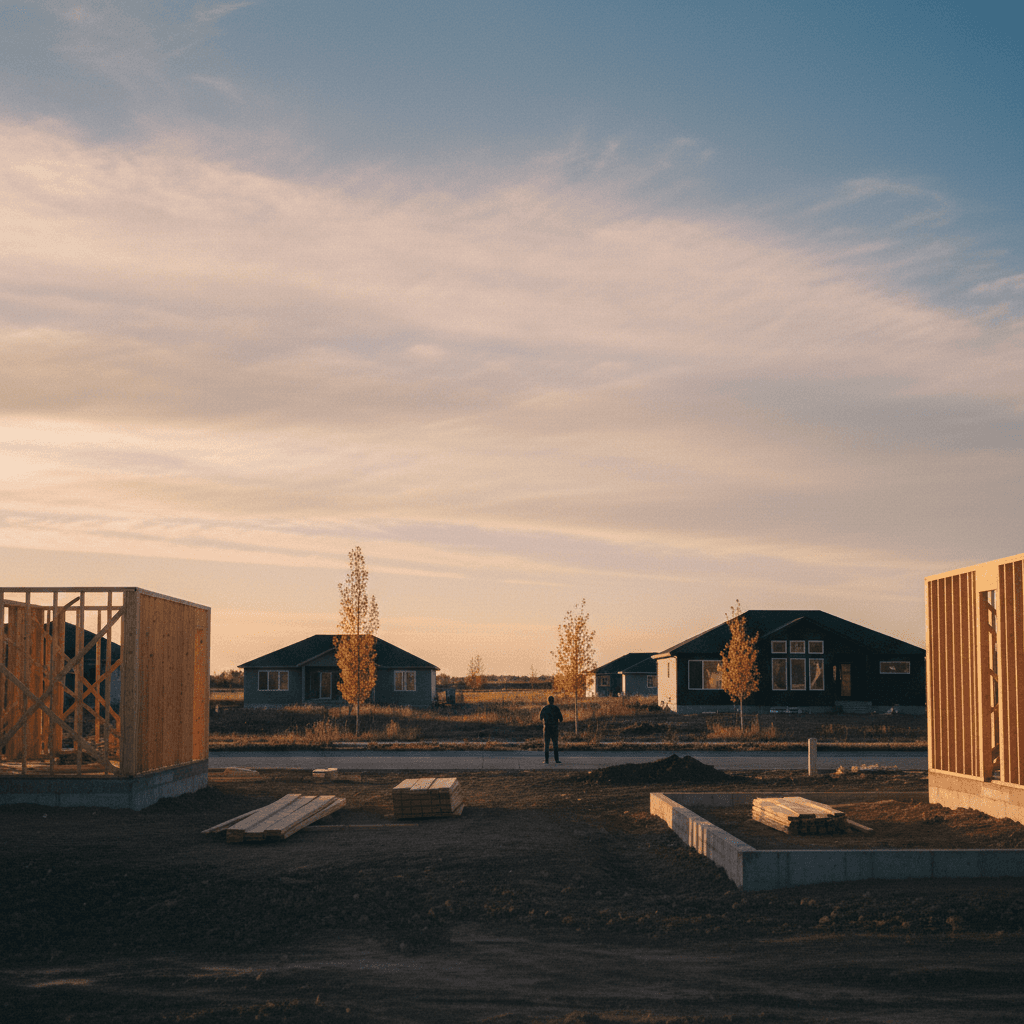
Hillsboro, North Dakota, a charming community nestled in the fertile Red River Valley, presents a compelling, albeit often overlooked, landscape for real estate investors. While larger metropolitan areas frequently dominate investment headlines, astute investors understand that smaller markets like Hillsboro can offer stable returns, lower entry costs, and a strong sense of community that underpins sustained rental demand. As a market analyst, my focus is on dissecting the data and trends that reveal genuine opportunities. This guide delves into the specifics of Hillsboro’s real estate market, offering a data-driven perspective for those considering a foray into its rental property sector. Learn more about Relocating to Hillsboro, ND: The Ultimate Buyer's Guide.

Understanding Hillsboro's Economic Landscape and Growth Drivers
To truly grasp the investment potential in Hillsboro, one must first appreciate its economic foundations. Hillsboro, with a population hovering around 1,600 residents, benefits significantly from its strategic location approximately 30 miles north of Fargo-Moorhead, a burgeoning economic hub. This proximity allows residents to enjoy the tranquility of small-town living while having access to larger employment centers and amenities. The local economy is primarily driven by agriculture, a robust and resilient sector in North Dakota, alongside local government, education, and small businesses that cater to the community's daily needs. Learn more about Local Investment Opportunities: The Rising Real Estate....
Demographic Trends and Population Stability
Demographically, Hillsboro exhibits a stable and community-oriented population. Recent analyses suggest a slight, steady growth trend, with a projected 1.5% increase in population over the next five years, driven by families seeking a quieter lifestyle and individuals working in nearby larger cities but preferring Hillsboro's affordability. The median age is slightly below the state average, indicating a vibrant mix of young families and established residents. This demographic composition is crucial for landlords, as it points to a consistent demand for family-friendly housing, particularly single-family homes and multi-unit dwellings suitable for long-term tenancy. Data from the U.S. Census Bureau indicates that owner-occupancy rates in Hillsboro are high, but a significant portion of the remaining housing stock is dedicated to rentals, serving local educators, agricultural workers, and commuters.
Local Industries and Employment Opportunities
The backbone of Hillsboro's economy remains agriculture, with numerous farms and agricultural support businesses operating in and around the city. This provides a stable employment base, often attracting seasonal workers and permanent residents who require reliable housing. Furthermore, the Hillsboro Public School District is a major employer, attracting teachers and administrative staff. Small businesses, such as Hillsboro Home & Garden Supply and local eateries like The Grain Bin Cafe, contribute to the local job market and community vitality. These diverse, albeit small-scale, employment sectors create a consistent demand for rental housing across various income brackets.
Analyzing the Hillsboro Rental Market
For potential landlords, understanding the dynamics of the local rental market is paramount. Hillsboro's rental landscape is characterized by a relatively low vacancy rate and steady rental income potential, particularly when compared to higher-cost urban centers.
Current Rental Yields and Property Values
Property values in Hillsboro have shown consistent, modest appreciation over the last decade, averaging around 3-5% annually, according to local real estate data. This stability is attractive to investors looking for long-term asset growth rather than speculative gains. Rental yields, a critical metric for income-focused investors, typically range from 6% to 8% for well-maintained single-family homes and duplexes. This is often more favorable than what can be achieved in more competitive markets where property acquisition costs significantly erode potential returns. For instance, a property purchased for $200,000 with monthly rent of $1,200 would yield a gross annual return of 7.2%, before expenses. It's crucial for investors to conduct thorough comparative market analyses to identify properties that offer the best balance of purchase price and rental income potential.
Demand for Rental Housing
The demand for rental housing in Hillsboro is driven by several factors. The aforementioned stability of the agricultural sector and the presence of the school district ensure a continuous need for housing for employees and their families. Additionally, the affordability of Hillsboro compared to Fargo makes it an attractive option for commuters. Anecdotal evidence from local real estate professionals, such as those at Red River Valley Realty, suggests that well-maintained 2-3 bedroom homes are particularly sought after, often experiencing multiple applications within days of listing. There's also a niche demand for smaller units catering to single professionals or retired individuals looking to downsize.
Identifying Profitable Investment Property Types
Choosing the right type of property is a cornerstone of successful real estate investment. In Hillsboro, certain property types tend to outperform others in the rental market. Learn more about Buying a Home in Hillsboro, ND: Market Insights and....
Single-Family Homes vs. Multi-Family Units
Single-family homes are generally the most popular rental option in Hillsboro. They attract families seeking stability, good school access, and yard space. These properties often lead to longer lease terms and lower tenant turnover. A three-bedroom, two-bathroom home in a good neighborhood, particularly near the school, represents a strong investment. Multi-family units, such as duplexes or small apartment buildings, also offer excellent potential. While potentially requiring more intensive management, they provide multiple income streams and can offer higher overall returns. For instance, a duplex with two units renting for $900 each generates $1,800 monthly, diversifying risk compared to a single-family home. Investors should consider the initial capital outlay and their comfort level with property management when choosing between these options.
Considerations for Commercial and Specialty Rentals
While the focus is primarily on residential, it's worth noting that Hillsboro also has a small but present commercial rental market. Opportunities might arise for commercial spaces catering to local businesses, especially those serving the agricultural community or providing essential services. However, these investments often come with higher risks and require specialized market knowledge. Specialty rentals, such as short-term furnished units for visiting agricultural consultants or construction workers, could also be explored, though the demand is more seasonal and niche. For residential investors, focusing on traditional long-term rentals generally offers more predictable income and less operational complexity in Hillsboro.
Navigating the Legal and Regulatory Environment
Understanding the legal framework governing landlord-tenant relationships is non-negotiable for any investor. North Dakota has specific laws that protect both landlords and tenants.

North Dakota Landlord-Tenant Laws
North Dakota Century Code Chapter 47-16 outlines the rights and responsibilities of landlords and tenants. Key areas include lease agreements, security deposit regulations (e.g., maximum amount, return timelines), eviction procedures, and maintenance responsibilities. For example, landlords must provide a safe and habitable living environment, and tenants have a right to privacy, requiring proper notice before entry. Familiarity with these statutes is crucial to avoid legal disputes and ensure smooth operations. Consulting with a local attorney specializing in real estate law can be highly beneficial for new investors to ensure compliance with all state and local regulations. Learn more about Luxury Living in Hillsboro, ND: High-End Real Estate Trends.
Local Ordinances and Property Management Best Practices
Beyond state law, local ordinances from the City of Hillsboro ND may dictate specific requirements concerning property maintenance, zoning, and rental property registration. While Hillsboro is a smaller community, it's prudent to check with the city administration regarding any specific rental property bylaws. Adopting best practices in property management, such as thorough tenant screening (credit checks, background checks, reference verification), clear communication, and prompt response to maintenance requests, will significantly contribute to tenant satisfaction and retention. Utilizing a local property manager can be an excellent strategy for out-of-town investors or those with limited time, as they possess invaluable local market knowledge and can ensure adherence to all regulations.
Strategic Property Management and Tenant Acquisition
Effective property management and a robust tenant acquisition strategy are critical components for maximizing returns and minimizing vacancies in any rental market, including Hillsboro.
Effective Marketing and Tenant Screening
In a smaller market like Hillsboro, word-of-mouth and local advertising can be highly effective. Listing properties on popular online platforms (e.g., Zillow, Facebook Marketplace) should be complemented by posting notices at local community centers, the post office, and even local businesses. High-quality photos and detailed descriptions are essential. When it comes to tenant screening, a rigorous process is non-negotiable. This includes comprehensive background checks, credit checks, employment verification, and contacting previous landlords. A robust screening process, even in a tight-knit community, helps mitigate risks associated with non-payment, property damage, and difficult tenants. For instance, a recent survey among landlords indicated that thorough screening reduces eviction rates by up to 60%.
Maximizing ROI Through Proactive Maintenance
Proactive maintenance is not merely about keeping tenants happy; it's a strategic investment that protects your asset and enhances its long-term value. Regular inspections, addressing minor repairs before they escalate, and investing in preventative measures (e.g., HVAC servicing, roof checks, landscaping) can significantly reduce costly emergency repairs down the line. A well-maintained property in Hillsboro will not only command higher rental rates but also attract and retain high-quality tenants, reducing turnover costs. Consider establishing relationships with reliable local contractors, such as a trusted plumber or electrician, to ensure timely and cost-effective repairs. Maintaining a good relationship with Hillsboro Community Bank for financing future improvements can also be beneficial.
The Future Outlook for Real Estate Investment in Hillsboro
Looking ahead, the investment landscape in Hillsboro appears poised for continued stability, with potential for modest growth. The foundational elements that support its current market are expected to remain strong.
Potential for Appreciation and Long-Term Growth
While Hillsboro may not experience the rapid appreciation seen in boom markets, its steady, predictable growth offers a lower-risk investment profile. The ongoing demand for housing, coupled with limited new construction due to land availability and development costs, suggests that property values will likely continue their upward trajectory. Furthermore, improvements in infrastructure and any potential expansion of local industries could further stimulate growth. Investors with a long-term horizon (5-10+ years) are best positioned to capitalize on the compounding effects of rental income and property appreciation.
Mitigating Risks in a Smaller Market
Investing in a smaller market like Hillsboro comes with its own set of considerations. Liquidity can be lower than in larger markets, meaning it might take longer to sell a property if needed. Economic downturns, while often less severe than in urban centers, can still impact rental demand if local industries face challenges. To mitigate these risks, diversification is key. Consider investing in different property types or in multiple smaller markets. Thorough due diligence, including a professional property inspection and a detailed financial analysis of cash flow, is paramount. Building strong relationships with local real estate agents, property managers, and community members can also provide invaluable insights and support. Learn more about Investing in Hillsboro, ND: A Financial Look at the....
Investing in Hillsboro, ND, offers a compelling proposition for landlords seeking stable returns and long-term asset growth within a resilient, community-focused market. Its strong agricultural base, stable demographics, and proximity to larger economic centers provide a solid foundation for rental demand. By understanding the local market dynamics, adhering to legal requirements, and implementing strategic property management practices, investors can successfully navigate Hillsboro's unique landscape and cultivate a profitable rental portfolio. The data consistently points to a market that rewards patience, diligence, and a commitment to serving the housing needs of a thriving North Dakota community.
Frequently Asked Questions
What are the typical rental yields in Hillsboro, ND?
Typical rental yields for well-maintained single-family homes and duplexes in Hillsboro, ND, generally range from 6% to 8%. These figures represent gross annual returns before accounting for expenses, making Hillsboro an attractive market for income-focused investors compared to more competitive urban centers.
What types of properties are most in demand for rentals in Hillsboro?
Single-family homes, particularly those with 2-3 bedrooms and 1-2 bathrooms, are highly sought after by families and long-term tenants in Hillsboro. Duplexes and other small multi-family units also present strong investment opportunities due to multiple income streams and consistent demand from various demographic groups, including local workers and commuters.
How does Hillsboro's proximity to Fargo influence its rental market?
Hillsboro's proximity to Fargo-Moorhead, a larger economic hub, significantly influences its rental market by attracting residents who work in Fargo but prefer Hillsboro's more affordable housing, quieter lifestyle, and strong community feel. This creates a steady demand for rental properties from commuters and families seeking a balance between urban access and small-town living.
What are the key legal considerations for landlords in Hillsboro, ND?
Landlords in Hillsboro must adhere to North Dakota Century Code Chapter 47-16, which governs landlord-tenant relationships, including lease agreements, security deposit rules, eviction processes, and maintenance responsibilities. It's also important to check for any specific local ordinances from the City of Hillsboro regarding property maintenance or rental registration. Consulting a local real estate attorney is advisable to ensure full compliance.
What is the long-term outlook for property value appreciation in Hillsboro?
Hillsboro is expected to experience stable, modest property value appreciation, typically ranging from 3-5% annually. This growth is driven by consistent demand, limited new construction, and a resilient local economy. While not a market for rapid speculative gains, Hillsboro offers a lower-risk profile for investors seeking long-term asset growth and predictable returns.
Need help with your real estate journey?
Our team is here to help you navigate the market with confidence.