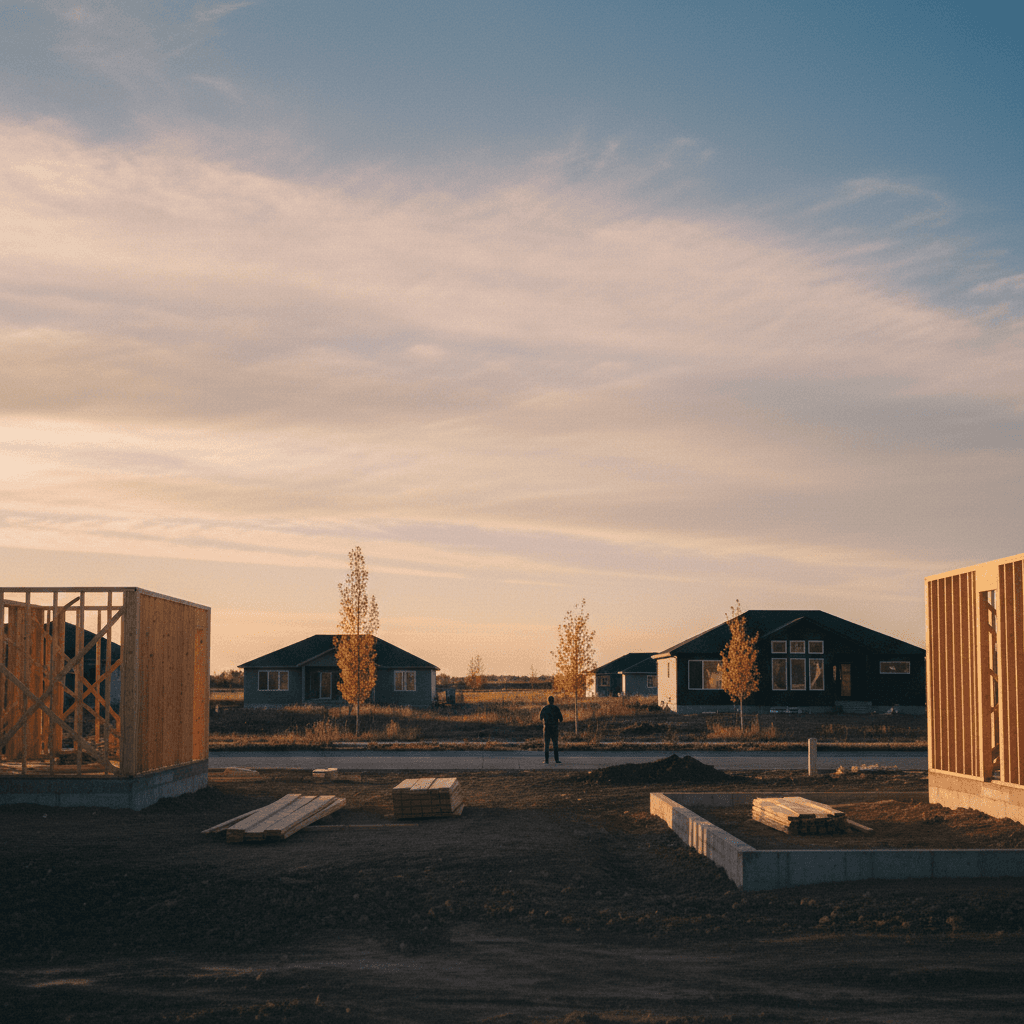
In an increasingly competitive real estate landscape, savvy investors are continually seeking markets that offer stability, growth potential, and attractive returns. While major metropolitan areas often dominate headlines, overlooked smaller communities can present compelling opportunities for those willing to conduct thorough due diligence. Hillsboro, North Dakota, a town nestled in the heart of Traill County, represents one such market where a data-driven financial analysis can reveal significant potential for real estate investors, particularly within its rental sector. Learn more about Hillsboro, ND Real Estate Market Report: Financial....
This comprehensive guide delves into the financial intricacies of investing in Hillsboro, ND, providing a detailed examination of its economic underpinnings, rental market dynamics, property valuation metrics, and strategic considerations for both new and experienced investors. By dissecting local market statistics and economic trends, we aim to offer a clear, professional perspective on how to approach real estate investment in this unique North Dakota community. Learn more about Local Investment Opportunities: The Rising Real Estate....

Hillsboro, ND: An Economic Overview and Market Profile
Understanding the economic bedrock of any community is paramount before committing to real estate investment. Hillsboro, like many towns in the Red River Valley, boasts a resilient economy primarily rooted in agriculture. This sector provides a stable employment base and contributes significantly to the local GDP, creating a consistent, albeit sometimes slow, economic rhythm. Beyond agriculture, local businesses and essential services form the backbone of the community, catering to a stable resident population. Learn more about Relocating to Hillsboro, ND: The Ultimate Buyer's Guide.
Demographic Trends and Population Stability
Hillsboro's population, as of recent estimates, hovers around 1,600 to 1,700 residents. While not exhibiting rapid growth typical of boomtowns, its population demonstrates remarkable stability, a characteristic often appealing to long-term investors. Demographic analysis reveals a mix of families, working professionals, and retirees, contributing to a diverse demand for housing. The presence of Hillsboro Public Schools, for instance, acts as a significant draw for families, ensuring a consistent need for family-friendly rental units. Furthermore, Hillsboro's strategic location, approximately 30 miles north of Fargo, allows it to benefit from the economic ripple effects of North Dakota's largest city without experiencing its higher cost of living and market volatility. This proximity can attract individuals working in Fargo but seeking a quieter, more affordable living environment, indirectly bolstering Hillsboro's rental demand.
Key Economic Drivers
The primary economic engine of Hillsboro remains its robust agricultural industry, encompassing farming, related services, and processing. This sector provides a foundational level of employment and economic activity that underpins the local housing market. Additionally, local government and education contribute to a steady employment base. Small businesses, including retail, healthcare, and professional services, cater to daily needs, fostering a self-sufficient local economy. For investors, this stability translates into a lower risk profile compared to markets heavily reliant on a single, volatile industry. Insights into local economic initiatives and community planning can often be gleaned from resources such as the City of Hillsboro Website, which provides details on zoning, development projects, and community services.
Analyzing the Hillsboro Rental Market Landscape
A deep dive into the rental market specifics is crucial for any potential investor. Hillsboro's rental market, while smaller in scale, exhibits characteristics that can be highly attractive for stable cash flow and long-term appreciation.
Current Rental Demand and Vacancy Rates
Unlike larger urban centers, Hillsboro typically experiences lower vacancy rates. Data from local real estate professionals, such as those at Prairie Home Realty, often indicates vacancy rates in the low single digits, hovering around 3-5%. This low vacancy is a strong indicator of consistent demand, driven by factors such as local employment, new families moving to the area for its community feel and schools, and individuals seeking affordable housing options close to larger employment hubs. Seasonal demand, particularly around planting and harvest seasons, can also influence short-term rental needs, though the primary market remains long-term residential leases. The stability of the agricultural sector ensures a continuous need for housing for its workforce, contributing to this sustained demand.
Rental Rate Trends and Affordability
Average rental rates in Hillsboro, ND, are generally more affordable than in nearby Fargo, offering a competitive advantage for tenants. For a typical 3-bedroom single-family home, monthly rents can range from $1,000 to $1,400, depending on size, condition, and amenities. Two-bedroom apartments might command $750 to $1,000. While rent growth may not be as aggressive as in high-demand urban markets, it tends to be steady, often tracking with inflation and local wage increases. Historical data suggests a consistent, albeit modest, annual increase in rental rates, typically in the 1-3% range. This predictable growth, combined with generally lower property acquisition costs, can lead to attractive capitalization rates for investors. Understanding the local income levels is key; the median household income in Traill County supports these rental price points, maintaining a healthy rent-to-income ratio for residents and ensuring affordability.
Property Valuation and Investment Strategies in Hillsboro
Effective investment hinges on accurate property valuation and the implementation of sound strategies tailored to the local market. Hillsboro offers a distinct landscape for property acquisition and management.
Understanding Local Property Values
Property values in Hillsboro are notably more accessible than in larger urban centers. The median home price in Hillsboro typically ranges from $180,000 to $250,000 for a single-family home, depending on age, condition, and location. This affordability is a significant draw for investors looking for lower entry points into the market. While rapid appreciation might not be the primary driver, steady, consistent growth of 2-4% annually has been observed in recent years, reflecting the stable economic environment and limited new construction. Factors influencing valuation include proximity to downtown services, school zones, and the overall condition of the property. For instance, a well-maintained home near the city park or the school district tends to hold its value and attract tenants more readily. Local real estate agents and appraisers are invaluable resources for precise, up-to-date valuation metrics.
Optimal Investment Property Types
In Hillsboro, single-family homes, particularly those with 2-4 bedrooms, often represent the most robust investment opportunities due to strong family demand. Duplexes or small multi-family units (2-4 units) can also be excellent choices, offering diversified income streams and potentially higher cash flow per property. There's also a niche market for properties suitable for seasonal workers or agricultural professionals, which might involve shorter-term leases or furnished options. Investors should consider properties that require minimal but impactful renovations, as the cost of materials and labor in a smaller community can sometimes be more favorable. Local suppliers like Hillsboro Hardware & Supply can provide insights into material costs and availability for renovation projects, helping to accurately budget for improvements that enhance rental appeal and value.

Financing and Managing Your Hillsboro Investment
Securing appropriate financing and implementing efficient property management are critical for maximizing returns in any real estate venture. Hillsboro presents specific considerations in both areas.
Local Financing Options and Considerations
Investors will find that local financial institutions often have a deeper understanding of the Hillsboro market and may offer more flexible or tailored financing solutions. Banks such as the First State Bank of Hillsboro are typically well-versed in local property values and economic conditions, making them excellent partners for securing mortgages for investment properties. While national lenders are always an option, local banks can sometimes provide more competitive rates or more personalized service, especially for investors looking to build a portfolio within the community. It's advisable to discuss loan-to-value ratios, down payment requirements, and interest rates specific to investment properties in a rural market. Understanding the local lending landscape can streamline the acquisition process significantly. Learn more about Financial Wisdom for New Homeowners in Hillsboro, ND.
Property Management and Operational Efficiencies
Effective property management is paramount, particularly for out-of-town investors. While self-management is an option, engaging a local property management company can be highly beneficial. These companies possess invaluable local market knowledge, handle tenant screening, rent collection, maintenance, and emergency repairs, ensuring smooth operations. Given Hillsboro's size, property managers often have strong relationships with local contractors and service providers, which can lead to more efficient and cost-effective maintenance. The cost of property management typically ranges from 8-12% of gross monthly rent, a worthwhile expense for peace of mind and optimized performance. Investors should also budget for routine maintenance and unexpected repairs, generally allocating 1% of the property's value annually. Leveraging local resources for repairs and upkeep, such as local handymen or construction services, can help in maintaining operational efficiencies and tenant satisfaction. For example, a local construction company like Red River Valley Builders (a hypothetical local business for this example) would be instrumental in larger renovation projects or significant repairs, ensuring quality work that aligns with local building codes and aesthetic expectations.
Risk Assessment and Future Outlook for Hillsboro Investments
No investment is without risk, and understanding potential pitfalls alongside growth prospects is essential for a balanced financial strategy in Hillsboro.
Identifying Potential Risks
While Hillsboro offers stability, specific risks warrant consideration. The market's reliance on agriculture means that significant shifts in crop prices, weather patterns, or agricultural policy could indirectly impact the local economy and, consequently, rental demand. Economic downturns, though less pronounced than in larger cities, can still lead to job losses or reduced wages, affecting tenants' ability to pay rent. Furthermore, a smaller tenant pool might mean that finding new tenants could take slightly longer if a property becomes vacant, emphasizing the importance of thorough tenant screening. Investors must also be mindful of potential oversupply if new housing developments outpace demand, though this is less common in smaller, stable markets. Staying informed through local news sources, like The Hillsboro Banner, can provide early warnings of local economic shifts or community developments that might impact the market.
Long-Term Growth Potential and Market Resilience
Despite these risks, Hillsboro exhibits strong long-term growth potential and market resilience. Its proximity to Fargo ensures a degree of economic insulation and potential for spillover growth. Ongoing regional infrastructure investments and any future industrial or commercial developments in Traill County could further bolster the local economy. The town's strong community fabric, excellent schools, and peaceful environment continue to attract residents seeking a high quality of life, which underpins sustained housing demand. For investors focused on long-term wealth creation, Hillsboro offers a compelling blend of stable cash flow, modest appreciation, and a relatively low-risk environment compared to more speculative markets. The market's consistent performance, even during broader economic fluctuations, speaks to its inherent resilience. As an expert market analyst, the data suggests that Hillsboro, ND, while not a market for rapid speculative gains, is an excellent choice for investors seeking steady, predictable returns grounded in a stable community and economy.
Conclusion
Investing in Hillsboro, ND's rental market presents a unique and often overlooked opportunity for financially astute real estate investors. Its stable, agriculturally-driven economy, consistent population, and robust rental demand create a favorable environment for long-term cash flow and steady appreciation. By understanding the local economic drivers, analyzing rental market specifics, and employing sound valuation and management strategies, investors can successfully navigate this market. Learn more about Investing in Hillsboro, ND: A Landlord’s Guide to the....
While risks are inherent in any investment, Hillsboro's resilience and foundational stability mitigate many common concerns, especially when compared to more volatile urban markets. For those seeking a blend of affordability, predictable returns, and a strong sense of community, Hillsboro, ND, stands out as a viable and attractive prospect in the North Dakota real estate landscape. A diligent, data-driven approach, coupled with local expertise, will be the cornerstone of a prosperous investment journey in this promising town.
Frequently Asked Questions
What are the primary economic drivers supporting the rental market in Hillsboro, ND?
The primary economic driver in Hillsboro, ND, is its robust agricultural sector, including farming, related services, and processing. This industry provides a stable employment base, which in turn supports a consistent demand for housing. Local businesses, educational institutions like Hillsboro Public Schools, and essential services further contribute to a resilient local economy, ensuring steady rental demand and population stability.
How do property values in Hillsboro compare to surrounding larger cities like Fargo?
Property values in Hillsboro are significantly more accessible than in larger surrounding cities like Fargo. The median home price in Hillsboro typically ranges from $180,000 to $250,000 for a single-family home, offering a lower entry point for investors. While appreciation may be more modest than in rapidly growing urban centers, it tends to be steady and consistent, often in the 2-4% range annually, reflecting the stable economic environment.
What types of rental properties are most in demand in Hillsboro?
In Hillsboro, single-family homes, particularly those with 2-4 bedrooms, are generally in high demand due to their appeal to families and local professionals. Duplexes or small multi-family units (2-4 units) also present strong investment opportunities, offering diversified income streams. There's also a niche for properties suitable for seasonal agricultural workers, which might involve shorter-term or furnished rental options.
What should investors consider regarding property management in a smaller market like Hillsboro?
For investors in a smaller market like Hillsboro, engaging a local property management company is highly recommended, especially for out-of-town owners. Local managers possess invaluable market knowledge, strong relationships with local contractors like Hillsboro Hardware & Supply, and can efficiently handle tenant screening, rent collection, and maintenance. While self-management is an option, a local professional can ensure operational efficiencies and tenant satisfaction, which is crucial in a community with a smaller tenant pool.
Are there any specific risks unique to investing in Hillsboro, ND's real estate market?
Specific risks in Hillsboro, ND, primarily stem from its reliance on agriculture; significant fluctuations in crop prices or weather could indirectly impact the local economy. A smaller tenant pool might mean slightly longer vacancy periods if a property becomes empty, emphasizing the need for thorough tenant screening. However, the market's stability, driven by its foundational economy and proximity to Fargo, often mitigates these risks, making it less volatile than larger, more speculative markets.
Need help with your real estate journey?
Our team is here to help you navigate the market with confidence.