The decision to rent or buy a home is one of the biggest financial choices you'll make, and in a vibrant community like Grand Forks, North Dakota, it comes with its own unique set of considerations. As you navigate the housing market in 2024, you might be asking yourself: Is now the right time to invest in a home, or does renting still offer the flexibility I need? This guide is designed to help you weigh the pros and cons, explore the local real estate landscape, and ultimately make the decision that's best for your lifestyle and financial goals in Grand Forks. From the bustling campus of the University of North Dakota to the serene trails of Lincoln Park, Grand Forks offers a quality of life that appeals to many – but how does that translate into your housing choice? Let's dive in.
Understanding the Grand Forks Real Estate Market in 2024
Grand Forks boasts a dynamic real estate market influenced by its strong community ties, educational institutions, and growing economy. Before deciding whether to rent or buy, it's crucial to understand the current local trends that could impact your decision.
Current Market Trends and Affordability
In 2024, the Grand Forks real estate market continues to show resilience. While national trends might fluctuate, our local market often maintains a steady pace, driven by factors like the presence of the University of North Dakota and a stable job market. We've seen a consistent demand for housing, which can lead to competitive situations for buyers, particularly in desirable neighborhoods. Property values have generally appreciated over time, making homeownership an attractive long-term investment. However, affordability remains a key consideration, especially for first-time buyers. Interest rates play a significant role, and it's essential to factor them into your budget calculations, whether you're looking at a mortgage payment or considering how they might indirectly affect rental prices. Understanding these trends will give you a clearer picture of what to expect when you start your search.
Key Neighborhoods and Their Appeal
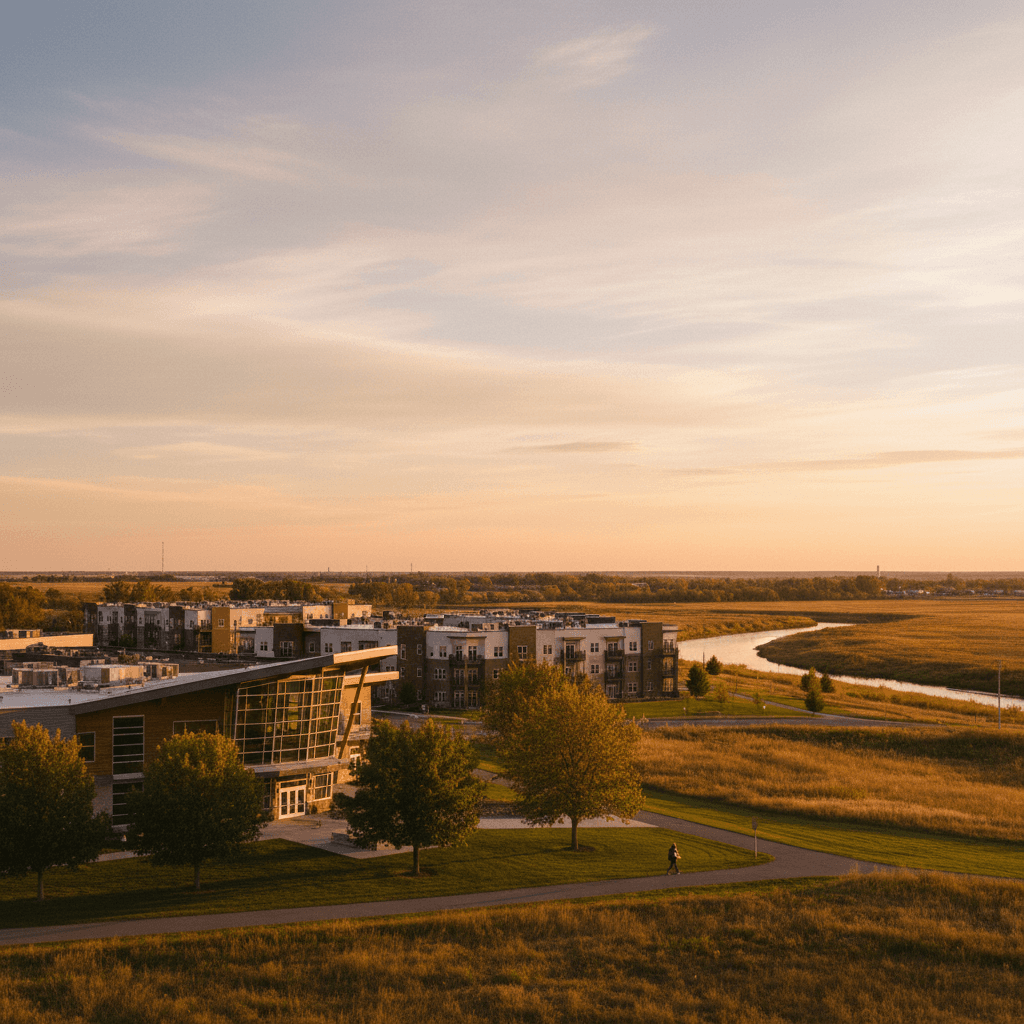
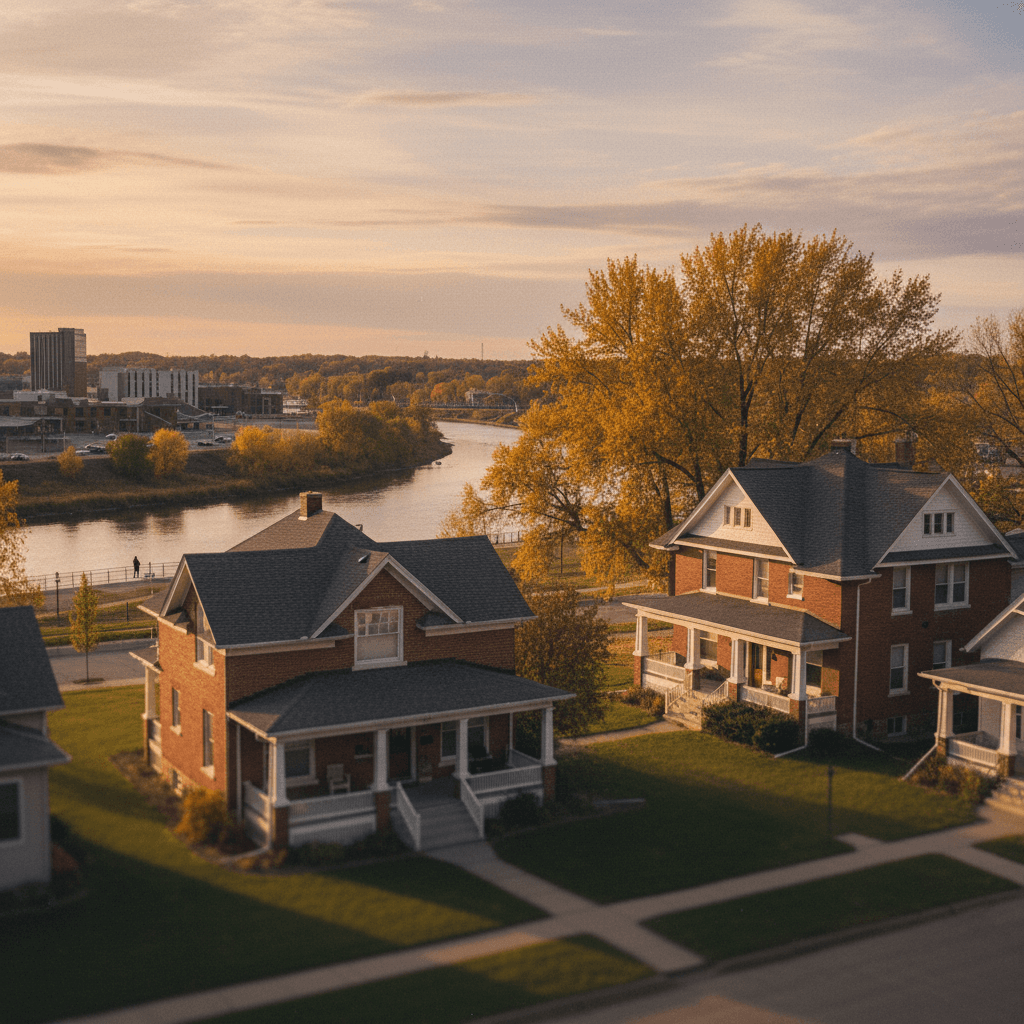
Grand Forks offers a diverse range of neighborhoods, each with its own character and amenities. For families, areas near top-rated schools like Red River High School are often highly sought after, offering excellent academic programs and a strong sense of community. If you prefer the energy of downtown living, you'll find charming historic homes and modern apartments within walking distance of local gems like Urban Stampede or Toasted Frog. The South End of Grand Forks is known for its newer developments, larger homes, and proximity to amenities such as Choice Health & Fitness and various shopping centers. Meanwhile, areas closer to the Red River offer beautiful views and easy access to parks like Lincoln Park, perfect for outdoor enthusiasts. Each neighborhood has a unique appeal, and your choice will largely depend on your lifestyle, budget, and priorities, whether that's proximity to work, schools, or recreational opportunities.
The Financial Side of Renting in Grand Forks
Renting often seems like the simpler, less committal option, and for many, it truly is. But what does renting truly entail financially in Grand Forks?
What to Expect from Rental Costs
When you rent in Grand Forks, your primary financial commitment is typically your monthly rent payment. This payment usually covers your housing costs, and sometimes utilities are included, though often they are separate. Beyond the monthly rent, you'll likely need to pay a security deposit, which is usually equivalent to one month's rent, and possibly an application fee or pet deposit. The good news is that these upfront costs are generally much lower than those associated with buying a home. Rental prices in Grand Forks can vary widely based on location, size, and amenities. Apartments near the University of North Dakota might cater to students, while family homes for rent will be found in more residential areas. While rent payments might seem straightforward, it's important to remember that they often increase over time as leases are renewed, and none of that money contributes to your personal equity.
The Flexibility of Renting
One of the most appealing aspects of renting is the flexibility it offers. If your job situation changes, you decide to move to a different city, or your family needs evolve, breaking a lease or simply not renewing one is generally much easier and less costly than selling a home. This can be particularly beneficial for those who are new to Grand Forks, unsure about their long-term plans, or who prefer not to be tied down to a specific location for an extended period. Renting also means you're typically not responsible for major maintenance costs or property taxes. Leaky roofs, furnace repairs, or unexpected plumbing issues usually fall to your landlord to fix, saving you from potentially significant out-of-pocket expenses and the stress of finding reliable contractors. This freedom from maintenance responsibilities can free up your time and budget for other pursuits, whether that's exploring the local dining scene at Northside Cafe or enjoying a weekend getaway.
The Financial Side of Buying in Grand Forks
Buying a home is a significant financial undertaking, but it also comes with substantial long-term benefits that renting simply cannot offer.
Initial Costs: Down Payments and Closing
The most significant hurdle for many first-time homebuyers in Grand Forks is the upfront cost. This primarily includes your down payment, which can range from as little as 3.5% for FHA loans to 20% or more for conventional loans to avoid private mortgage insurance (PMI). On a $250,000 home, a 5% down payment is $12,500 – a considerable sum. Beyond the down payment, you'll also encounter closing costs, which are fees associated with finalizing your mortgage and property transfer. These can include appraisal fees, loan origination fees, title insurance, attorney fees, and more, typically amounting to 2-5% of the loan amount. So, on that same $250,000 home, closing costs could add another $5,000-$12,500. It's crucial to save diligently for both the down payment and closing costs, as these are non-negotiable expenses that must be paid at the time of purchase.
Ongoing Costs: Mortgage, Taxes, and Maintenance
Once you own a home in Grand Forks, your monthly expenses extend beyond just your mortgage payment. You'll also be responsible for property taxes, which are assessed by the city and county and contribute to local services like schools and infrastructure. Homeowner's insurance is another mandatory expense, protecting your investment from damage, theft, and liability. Additionally, budgeting for utilities (electricity, gas, water, sewer, trash) is essential, as these costs can fluctuate. Perhaps the most overlooked ongoing cost is home maintenance and repairs. Unlike renting, where the landlord handles everything, as a homeowner, you're responsible for everything from routine lawn care and snow removal to major repairs like a new roof or furnace replacement. Experts often recommend setting aside 1-3% of your home's value annually for maintenance, which on a $250,000 home could be $2,500-$7,500 per year. These costs, while sometimes unpredictable, are part of the responsibility and reward of homeownership.
Building Equity and Long-Term Investment
Despite the significant costs, buying a home in Grand Forks offers a powerful financial advantage: building equity. Every mortgage payment you make, especially as you pay down the principal, increases your ownership stake in the property. As your home's value appreciates over time – a common trend in stable markets like Grand Forks – your equity grows further. This equity isn't just a number on paper; it's a tangible asset that can be leveraged later for things like home equity loans, lines of credit, or simply as a nest egg for retirement. Unlike rent, which is an expense with no return, your mortgage payments are an investment in your future. Over decades, this investment can translate into substantial wealth accumulation, offering financial stability and a valuable asset to pass down to future generations. Moreover, homeowners can often benefit from tax deductions on mortgage interest and property taxes, further enhancing the financial appeal of buying.
Lifestyle Considerations: Renting vs. Buying in Grand Forks
Beyond the numbers, your housing decision significantly impacts your daily life and future aspirations.
Community and Amenities Access
Grand Forks is a community rich in amenities, and whether you rent or buy, you'll want to consider how your housing choice connects you to them. Renting can offer quick access to different parts of the city. For example, a student renting near UND might enjoy easy walks to classes and campus events, while a young professional might choose an apartment downtown to be close to coffee shops like Urban Stampede or restaurants. Buying a home often means settling into a specific neighborhood, which can foster deeper community ties. Imagine weekends spent at Sertoma Park with your family, or knowing your kids are attending excellent schools like those in the Red River High School district. Homeownership often encourages more engagement with local community groups, neighborhood associations, and long-term relationships with neighbors. Access to healthcare is also a key consideration; living near a leading facility like Altru Health System can be a significant factor for many families.
Personalization and Freedom
One of the most compelling reasons to buy a home is the freedom to personalize your space. Want to paint your walls a bold color? Remodel the kitchen? Create a vibrant garden in the backyard? As a homeowner, these decisions are entirely yours (within city codes, of course!). You can tailor your living environment to perfectly match your tastes and needs, truly making it your own sanctuary. Renting, by contrast, often comes with restrictions on modifications. While some landlords are flexible, major changes are usually off-limits. This can be a drawback for those who dream of custom interiors or extensive landscaping. However, for those who prefer a minimalist approach to home decor or don't want the hassle of home improvement projects, the lack of personalization demands in a rental can actually be a benefit. It all boils down to how much control and creative freedom you desire over your living space.
Navigating the Buying Process in Grand Forks
If buying seems like the right path for you, understanding the steps involved in Grand Forks' real estate market is essential.
Getting Pre-Approved and Finding a Lender
The very first step in buying a home in Grand Forks is to get pre-approved for a mortgage. This isn't just a suggestion; it's a critical step that tells you how much you can realistically afford, signals to sellers that you're a serious buyer, and streamlines the entire process. A pre-approval involves a lender reviewing your financial situation, including your income, debts, and credit history, to determine the maximum loan amount you qualify for. It's wise to shop around for lenders, comparing interest rates, fees, and customer service. Local banks and credit unions in Grand Forks can offer competitive rates and a more personalized experience, often having a deeper understanding of the local market dynamics. Getting this in place early will make your home search much more efficient and less stressful.
Working with a Local Real Estate Agent
Once you're pre-approved, the next crucial step is to partner with a knowledgeable local real estate agent. An agent who specializes in the Grand Forks market will be an invaluable asset. They have a deep understanding of neighborhood nuances, current property values, and upcoming listings, many of which may not even be publicly advertised yet. A good agent will listen to your needs and preferences, help you identify suitable homes, schedule showings, and expertly guide you through the negotiation process. They will also connect you with other essential professionals, such as home inspectors and real estate attorneys, ensuring a smooth transaction. Their expertise can save you significant time, money, and potential headaches, especially in a competitive market. Think of them as your local guide, helping you navigate every turn of the home-buying journey in Grand Forks.
Making Your Decision: A Grand Forks Perspective
Ultimately, the rent-vs.-buy decision is deeply personal, but considering the Grand Forks context can help clarify your path.
When Renting Makes Sense
Renting is often the smarter choice if you anticipate moving within the next few years. The transaction costs of buying and selling a home, combined with potential market fluctuations, can quickly erode any equity you might build in a short timeframe. If your job requires frequent relocation, or you're still exploring different areas of Grand Forks to find your ideal community, renting offers the freedom to move without the burden of selling. Furthermore, if your financial situation is still developing – perhaps you're paying off student loans, saving for a larger down payment, or building your credit score – renting allows you to stabilize your finances without the immediate pressures of homeownership. It also means no unexpected repair bills, making budgeting more predictable.
When Buying Makes Sense
Buying a home in Grand Forks typically makes sense if you plan to stay in the area for at least five years, ideally longer. This timeframe allows you to recoup closing costs and benefit from potential property appreciation and equity growth. If you're looking for stability, a place to put down roots, and the ability to customize your living space, homeownership is an unmatched experience. Financially, buying offers the potential for wealth building through equity, tax benefits, and a hedge against rising rental costs. For those who value community involvement, local schools, and a permanent place to call their own, the long-term rewards of owning a home in Grand Forks often outweigh the initial challenges.
The choice between renting and buying in Grand Forks, ND, is multifaceted, intertwining financial realities with personal aspirations. There's no single "right" answer; instead, the best decision hinges on your individual circumstances, financial health, and lifestyle goals. Take the time to assess your current situation, consider your long-term plans, and carefully weigh the advantages and disadvantages of each option in the context of our unique Grand Forks community. Whether you choose the flexibility of renting or the investment and stability of homeownership, making an informed decision will set you on the path to finding your perfect place in this wonderful city.
Frequently Asked Questions
Is Grand Forks currently a buyer's or seller's market?
The Grand Forks real estate market in 2024 generally shows a steady demand, making it a balanced market with competitive aspects, especially in desirable areas. While not strictly a strong seller's market, buyers should be prepared for some competition and quick decision-making. Working with a local agent can provide the most up-to-date insights.
What are the typical closing costs when buying a home in Grand Forks?
Closing costs in Grand Forks typically range from 2% to 5% of the loan amount. These fees cover various services like appraisal, loan origination, title insurance, and attorney fees. It's crucial to budget for these expenses in addition to your down payment. Your lender will provide a detailed breakdown of these costs.
Are there first-time homebuyer programs available in North Dakota?
Yes, North Dakota offers several programs designed to assist first-time homebuyers, often through the North Dakota Housing Finance Agency (NDHFA). These programs can include down payment and closing cost assistance, as well as favorable mortgage rates. It's recommended to consult with a local lender experienced in NDHFA programs to see what you qualify for.
What are some of the key benefits of living in Grand Forks?
Grand Forks offers a high quality of life with a strong sense of community, excellent educational opportunities (including the University of North Dakota and top-rated schools like Red River High), and a wide range of recreational activities. Residents enjoy access to beautiful parks like Lincoln Park and Sertoma Park, a growing downtown area with unique dining and coffee shops, and comprehensive healthcare services from Altru Health System.
How do property taxes work in Grand Forks?
Property taxes in Grand Forks are assessed by the city and county based on the value of your home and land. These taxes contribute to funding local services such as schools, public safety, and infrastructure. They are typically paid annually, often incorporated into your monthly mortgage payment (escrow) to ensure they are paid on time. The exact amount will depend on your property's assessed value and the current mill levy rates.
Need help with your real estate journey?
Our team is here to help you navigate the market with confidence.