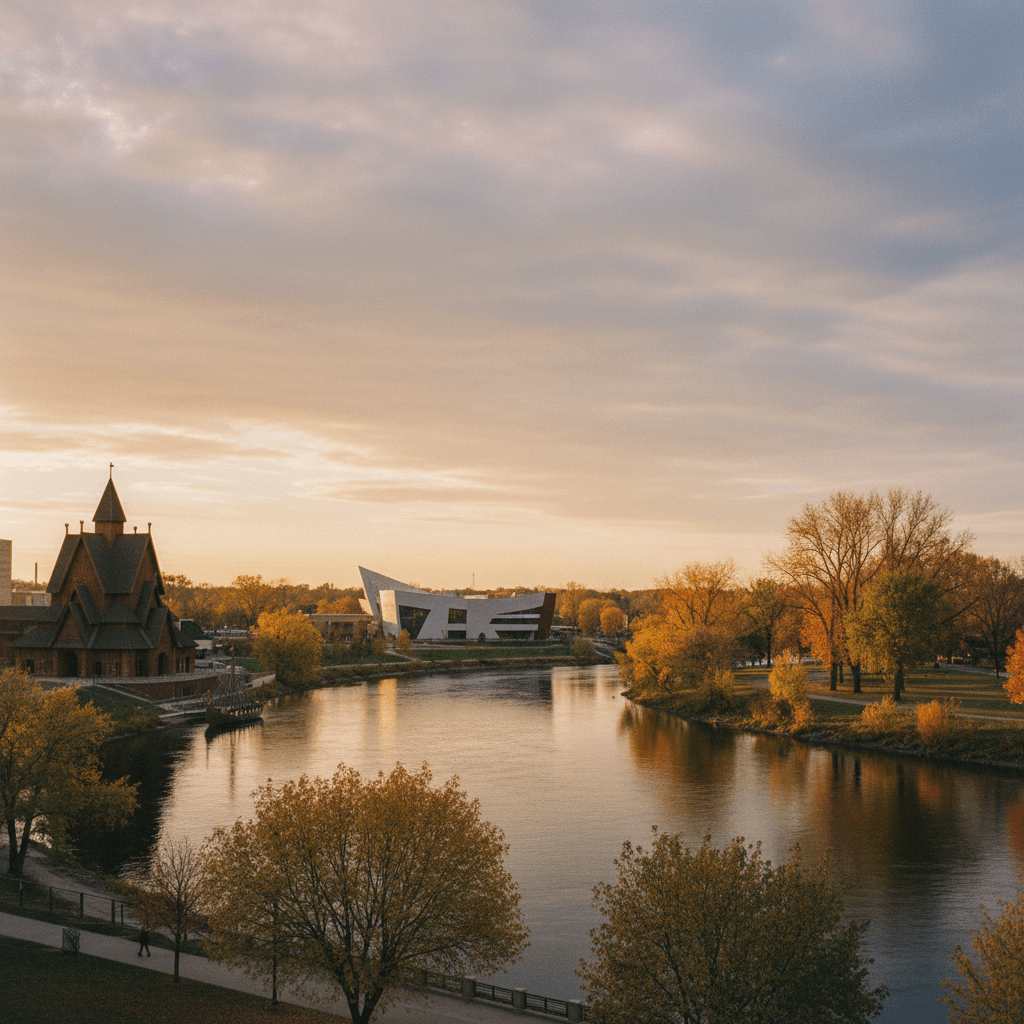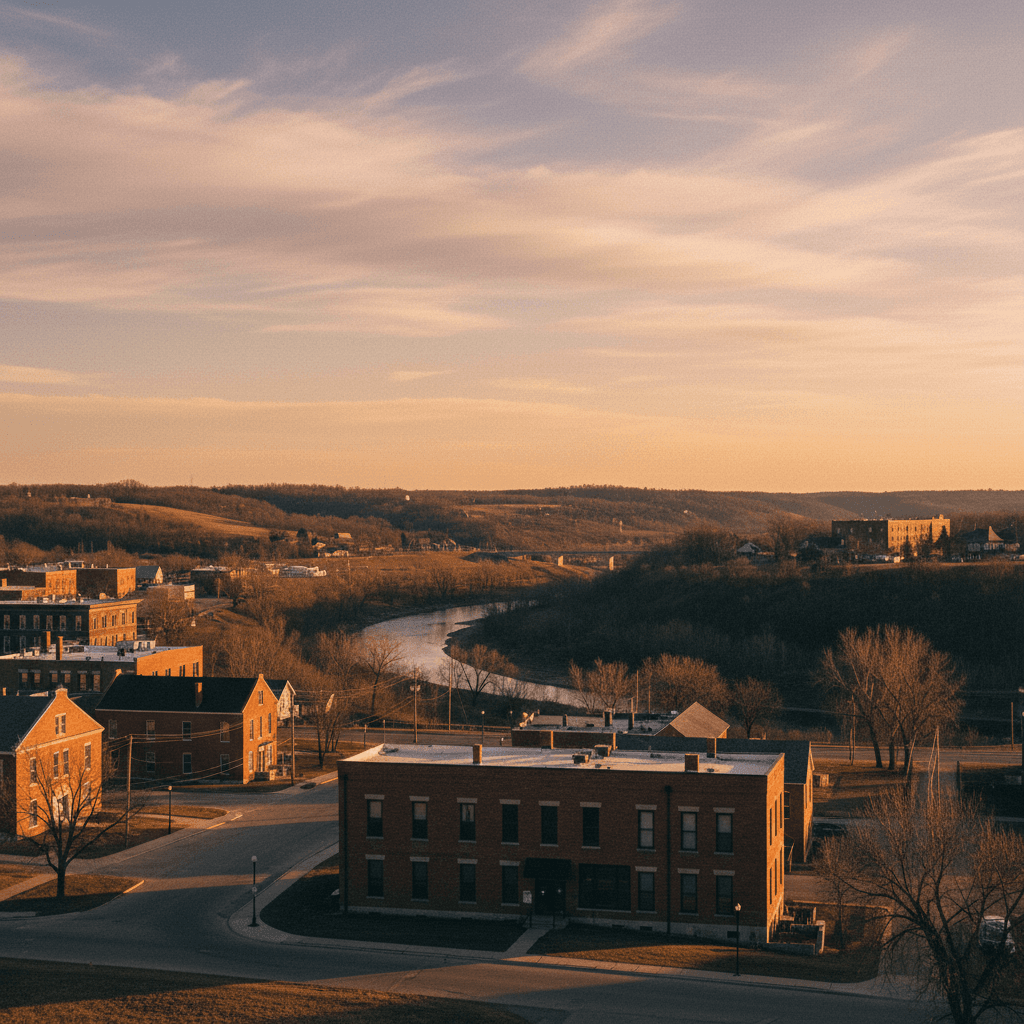
Valley City, North Dakota, a picturesque community nestled along the Sheyenne River, presents a compelling landscape for real estate investors. Often referred to as the 'City of Bridges' due to its numerous historic spans, Valley City offers a unique blend of small-town charm, economic stability, and a burgeoning lifestyle that is increasingly attracting residents and, consequently, investment capital. As a market analyst, my focus is on identifying opportunities where intrinsic value meets growth potential. Valley City, with its foundational pillars in education, healthcare, and agriculture, combined with a strong sense of community, positions itself as an attractive prospect for those looking to diversify their real estate portfolios.
This guide delves into the specifics of investing in Valley City, examining its economic drivers, real estate market dynamics, potential investment strategies, and the local factors that contribute to its long-term appeal. Understanding these elements is crucial for making informed decisions, whether you're considering a buy-and-hold strategy for rental income, exploring fix-and-flip opportunities, or looking into commercial ventures in this resilient North Dakota market.
Valley City's Economic Resilience and Growth Trajectory
Valley City's economy is characterized by its stability and strategic reliance on key sectors, providing a solid foundation for real estate investment. Unlike larger, more volatile markets, Valley City exhibits consistent, albeit moderate, growth, underpinned by institutions and industries that are less susceptible to national economic swings. This resilience makes it an appealing environment for investors seeking predictable returns and lower risk profiles.
Key Economic Drivers Supporting Investment
The primary economic engines of Valley City are agriculture, education, and healthcare. Barnes County, where Valley City is located, is a significant agricultural hub, contributing substantially to the state's robust agricultural output. This sector provides stable employment and supports a network of related businesses, from equipment dealerships to processing plants. Valley City State University (VCSU) is another cornerstone, drawing students, faculty, and staff to the area. VCSU's presence creates consistent demand for housing, particularly rentals, and supports local businesses. Furthermore, CHI Mercy Health serves as a major healthcare provider and employer, offering essential services to the region and contributing to a stable job market. These three sectors collectively ensure a steady flow of residents and economic activity, which directly translates into demand for both residential and commercial real estate.
Demographic Shifts and Future Projections
While North Dakota as a whole has seen population growth, Valley City, consistent with many rural communities, experiences nuanced demographic shifts. Recent data indicates a stable to slightly increasing population, driven in part by a desire for a higher quality of life, lower cost of living, and the community-oriented atmosphere it provides. The average age in Valley City is slightly higher than the state average, indicating a mature, established community, but the presence of VCSU brings in a younger demographic annually. Future projections, supported by efforts from entities like the Valley City-Barnes County Development Corporation, focus on attracting new businesses and retaining graduates, which could lead to further modest population increases and a diversification of the local economy. Investors should monitor these trends, as sustained population growth, particularly in working-age demographics, is a strong indicator of long-term real estate appreciation.
Analyzing Valley City's Real Estate Market Dynamics
A deep dive into Valley City's real estate market reveals specific characteristics that investors should consider. The market is typically less volatile than metropolitan areas, offering a more predictable investment environment. Understanding property types, pricing trends, and rental yields is paramount to identifying profitable ventures.
Residential Market: Opportunities and Trends
The residential market in Valley City is primarily composed of single-family homes, with a smaller but significant segment of multi-family dwellings, particularly near the university. As of recent market analyses, the median home price in Valley City remains highly competitive compared to national averages, making entry points more accessible for investors. While precise figures fluctuate, average home values have shown steady, incremental growth over the past five years, often outpacing inflation. This consistent appreciation, combined with a relatively low inventory, suggests a healthy seller's market, yet opportunities for buyers can still be found through diligent research and local expertise. For instance, properties requiring minor renovations ('value-add' opportunities) can yield significant returns when brought up to modern standards, especially in established neighborhoods with good access to schools like Valley City Public Schools and local amenities.
Commercial and Rental Property Outlook
The rental market in Valley City is robust, largely fueled by the student population of VCSU and the workforce associated with CHI Mercy Health and agricultural industries. Rental vacancy rates are generally low, particularly for well-maintained properties in desirable locations. Average rental yields for single-family homes and multi-family units are competitive, offering attractive cash flow potential. Investors considering rental properties should focus on areas with convenient access to the university, downtown businesses, and essential services. Commercial real estate, while a smaller segment, also presents opportunities, especially in the historic downtown district. The revitalization efforts along Main Street, including local businesses like The Depot Cafe, indicate a renewed interest in commercial spaces, particularly for retail, dining, and professional services that cater to both residents and visitors exploring the Sheyenne River Valley Scenic Byway. Investing in commercial properties here could benefit from increased local tourism and community engagement.
Strategic Investment Approaches for Valley City
Given the specific dynamics of Valley City's market, certain investment strategies are more likely to yield success. A thoughtful approach, tailored to the local economic and social fabric, is key to maximizing returns and mitigating risks.
Buy-and-Hold: Cultivating Passive Income
The buy-and-hold strategy is particularly well-suited for Valley City due to its stable rental market and consistent demand. Investors purchasing single-family homes or multi-family units for long-term rental can expect reliable passive income streams. Key considerations for this strategy include selecting properties with strong tenant appeal – proximity to VCSU for student rentals, family-friendly neighborhoods for long-term residents, and properties with modern amenities. Performing thorough due diligence on potential rental income versus property expenses (including taxes, insurance, and maintenance) is critical. A local property management company can be invaluable in ensuring consistent occupancy and property upkeep, optimizing the investment's performance over time. The predictability of the market allows for clearer financial forecasting, making this a less speculative and more income-focused approach.
Value-Add and Redevelopment Prospects
For investors with a keen eye for potential and a willingness to undertake renovations, value-add strategies offer significant upside. Valley City has a stock of older homes and some commercial buildings that, while structurally sound, could benefit from modernization. Properties purchased below market value, rehabilitated, and then either sold or rented, can generate substantial capital gains or increased rental yields. This approach requires a solid understanding of local construction costs, market demand for updated features, and reliable contractors. For example, upgrading kitchens, bathrooms, and energy efficiency features can significantly boost a property's appeal and value. This strategy aligns well with the community's desire to preserve its heritage while embracing modern living, especially in areas like the charming neighborhoods surrounding the historic downtown and the Sheyenne River.

Navigating Local Regulations and Support Systems
Successful real estate investment in any locale requires a comprehensive understanding of local regulations, tax structures, and available support systems. Valley City, like all municipalities, has specific guidelines that investors must adhere to, alongside resources designed to facilitate development and investment.
Permitting, Zoning, and Property Tax Considerations
Investors must familiarize themselves with Valley City's zoning ordinances, which dictate how properties can be used and developed. These regulations ensure orderly growth and maintain the character of different neighborhoods. For any renovation, construction, or change of use, obtaining the necessary permits from the City of Valley City is mandatory. This process, while sometimes perceived as bureaucratic, is essential for legal compliance and ensuring safety and structural integrity. Property taxes in Barnes County are assessed annually, and understanding the local mill levies and assessment rates is crucial for accurate financial projections. Consulting with local real estate attorneys or a reputable local Dacotah Bank branch can provide invaluable insights into these financial and regulatory aspects, helping investors navigate the local landscape efficiently.
Local Support and Resources for Investors
Valley City offers several resources to support real estate investors and business owners. The Valley City-Barnes County Development Corporation (VCBCDC) plays a pivotal role in fostering economic growth and can provide information on local development incentives, available properties, and demographic data. The Valley City Area Chamber of Commerce is another excellent resource for networking, understanding the local business climate, and identifying community needs that real estate investments can address. Additionally, local real estate agents with deep market knowledge are indispensable partners, offering insights into neighborhood-specific trends, property values, and potential off-market opportunities. Leveraging these local resources can significantly streamline the investment process and enhance the likelihood of success.
Lifestyle and Community: Attracting Tenants and Buyers
Beyond economic data and market trends, the quality of life and community spirit are powerful determinants of a location's investment appeal. Valley City excels in offering a high quality of life, which translates into sustained demand for housing and commercial spaces.
Quality of Life and Community Appeal
Valley City boasts a strong sense of community, friendly atmosphere, and access to natural beauty. The Sheyenne River, which winds through the city, offers recreational opportunities like kayaking, fishing, and scenic walking trails. City parks, such as Chautauqua Park and the extensive trail system, provide ample green space for residents. The city's numerous bridges are not just functional but also add to its unique aesthetic charm, making it a pleasant place to live and visit. Community events, local sports, and cultural activities organized by VCSU or various civic groups foster a vibrant social environment. This high quality of life is a significant draw for families, retirees, and individuals seeking a reprieve from the hustle of larger cities, ensuring a steady pool of potential tenants and buyers for well-located properties. The presence of local businesses, from unique boutiques to practical stores like Valley City Ace Hardware, further enhances daily living.
Key Neighborhoods and Their Investment Appeal
Valley City offers distinct neighborhoods, each with its own character and investment potential. Areas immediately surrounding Valley City State University are prime for student housing, offering consistent rental demand. The historic downtown district, with its charming architecture and proximity to local businesses and the Sheyenne River, holds strong appeal for both residential and commercial investments, particularly for those seeking a vibrant, walkable community. Family-friendly neighborhoods, often characterized by well-maintained homes and access to parks and schools, appeal to long-term residents, providing stable rental income and potential for appreciation. Investors should conduct hyper-local market research to identify specific blocks or sub-areas that align with their investment goals, considering factors like school district ratings, proximity to employment centers, and local amenities. Understanding these nuances allows for targeted and effective investment strategies within Valley City's diverse residential fabric.
Conclusion
Valley City, ND, represents a compelling, yet often overlooked, real estate investment opportunity. Its foundational economic stability, driven by agriculture, education, and healthcare, provides a robust backdrop for both residential and commercial ventures. The market, characterized by steady appreciation and strong rental demand, offers predictable returns for buy-and-hold investors and significant value-add potential for those willing to renovate. Navigating the local regulatory environment and leveraging community resources are key to successful investment. Ultimately, Valley City's enduring appeal lies not just in its economic indicators but also in its high quality of life, strong community spirit, and unique charm. For investors seeking a stable market with genuine growth potential and a welcoming atmosphere, Valley City stands out as a prudent and rewarding choice in the North Dakota landscape.
Frequently Asked Questions
What makes Valley City, ND, an attractive real estate investment location?
Valley City's appeal stems from its stable economy, largely driven by Valley City State University, CHI Mercy Health, and a strong agricultural sector. These institutions provide consistent employment and a steady demand for housing. The city offers a high quality of life, a strong sense of community, and a lower cost of living compared to larger urban centers, making it attractive to long-term residents and students, which in turn supports a robust rental market and steady property value appreciation. The market is generally less volatile, offering predictable returns for investors.
What are the typical property types available for investment in Valley City?
The real estate market in Valley City primarily consists of single-family homes, which are popular for both owner-occupancy and long-term rentals. There is also a significant presence of multi-family dwellings, particularly near Valley City State University, catering to the student population. Commercial properties, especially in the historic downtown district, offer opportunities for retail, dining, and professional services. Investors can find a range of options from well-maintained, move-in-ready properties to those requiring renovations for value-add strategies.
What are the common investment strategies that work well in Valley City?
Two primary strategies are particularly effective in Valley City. The 'buy-and-hold' strategy is well-suited due to the stable rental market and consistent demand, offering reliable passive income. Properties near VCSU or in family-friendly neighborhoods are ideal for this. The 'value-add' strategy, involving purchasing properties below market value and undertaking renovations, can yield significant capital gains or increased rental income. This approach benefits from the availability of older homes that can be modernized to meet current market demands.
Are there any local incentives or resources for real estate investors in Valley City?
Yes, investors can leverage several local resources. The Valley City-Barnes County Development Corporation (VCBCDC) is a key organization that can provide information on economic development initiatives, potential incentives, and available properties. The Valley City Area Chamber of Commerce offers networking opportunities and insights into the local business climate. Additionally, local real estate agents possess invaluable market knowledge, and local financial institutions like Dacotah Bank can assist with financing and understanding local tax implications. Familiarizing yourself with city zoning and permitting processes is also crucial, and city officials can provide guidance on these regulations.
How does Valley City's lifestyle affect real estate investment?
Valley City's appealing lifestyle significantly influences its real estate market. The city's small-town charm, strong community bonds, and access to natural beauty along the Sheyenne River (offering recreational activities) attract residents seeking a high quality of life. The presence of Valley City State University and CHI Mercy Health also contributes to a vibrant community with cultural events and amenities. This desirable living environment ensures a steady influx of residents, creating consistent demand for housing and contributing to stable property values and rental markets. Properties in well-regarded neighborhoods with good access to parks, schools, and local businesses tend to perform well.
Need help with your real estate journey?
Our team is here to help you navigate the market with confidence.