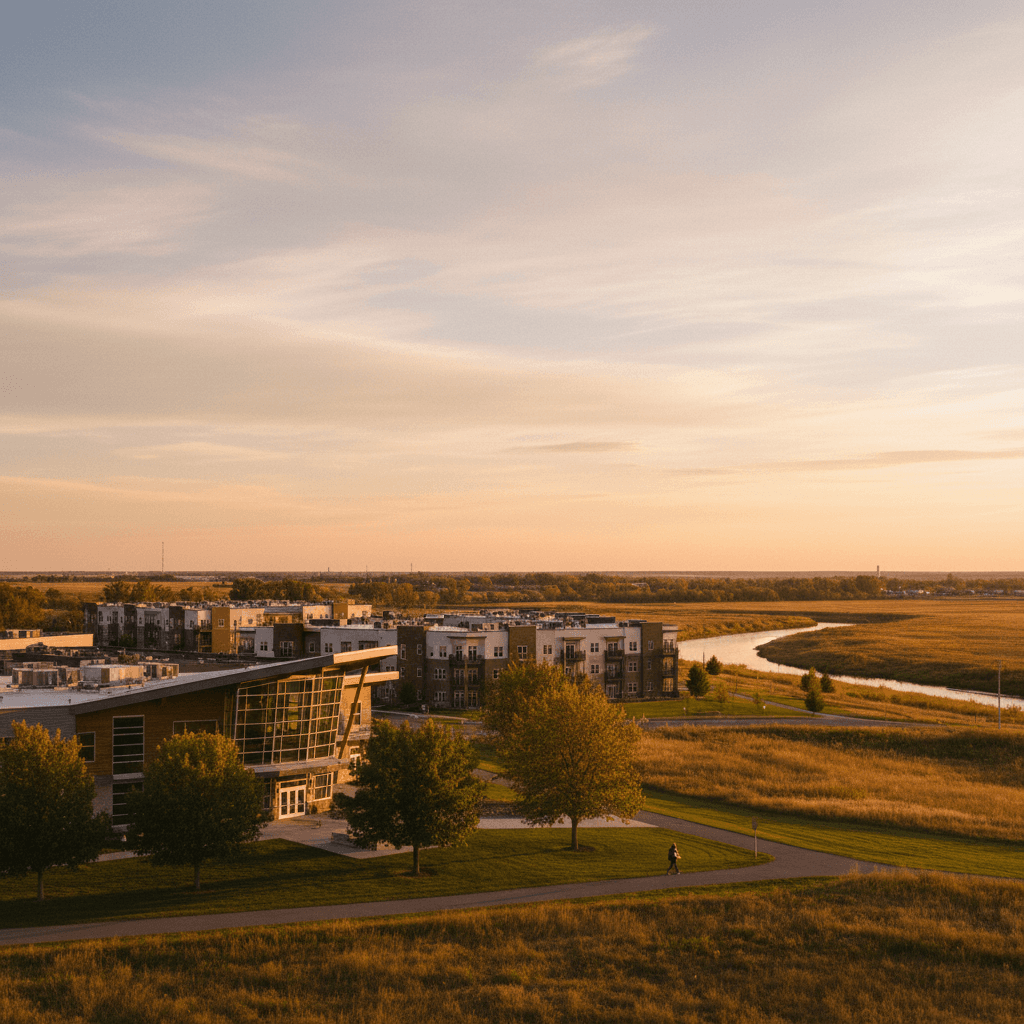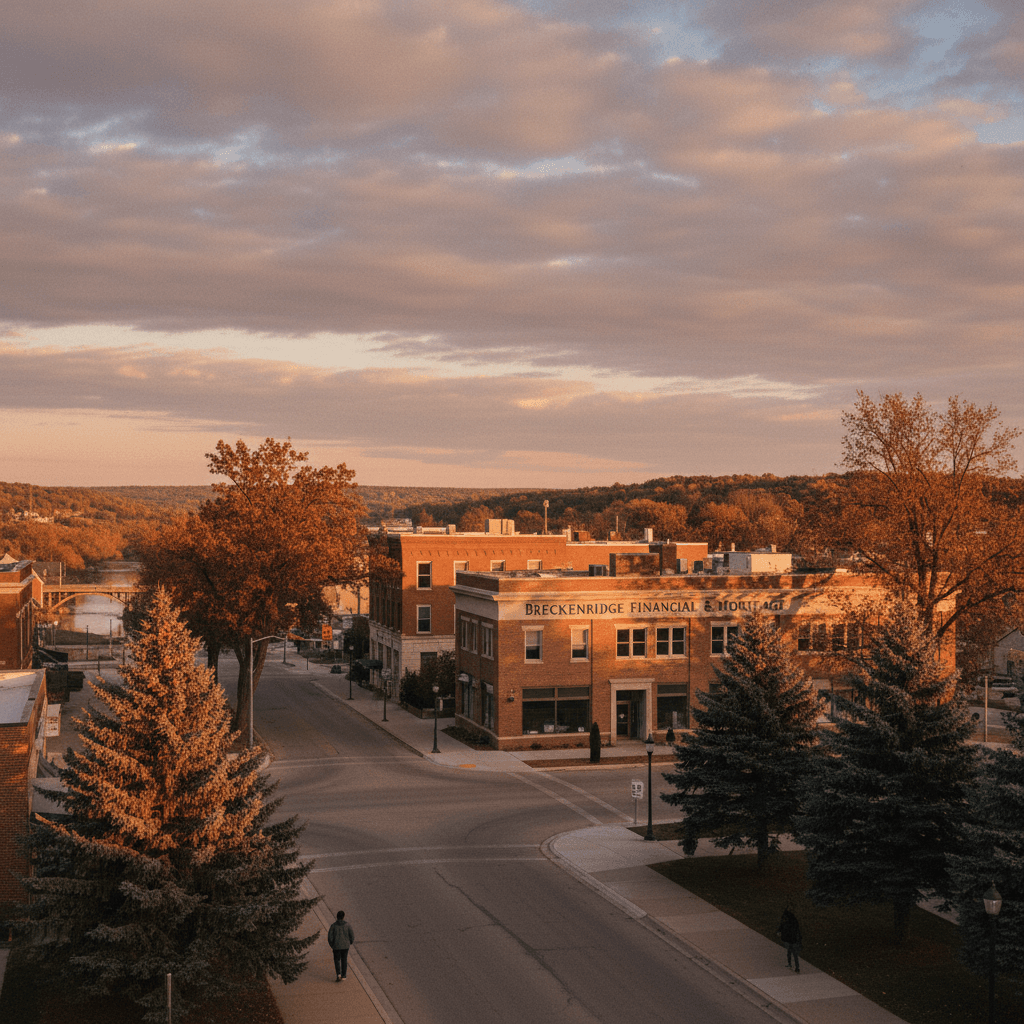
Buying a home is one of life's most exciting milestones, especially when you're looking in a charming community like Valley City, North Dakota. The tree-lined streets, the scenic Sheyenne River, and the friendly atmosphere make it a truly special place to settle down. But amidst the excitement of finding your dream home, it’s crucial to understand the legal and tax landscape that comes with property ownership. As a first-time buyer, navigating real estate law and property taxes might seem a bit daunting, but don't worry – I'm here to break it down into easy-to-understand steps. Let's explore what you need to know to make your home-buying journey in Valley City smooth and secure, ensuring you're financially prepared for every step. Learn more about Valley City, ND Homeowners: Navigating Property Taxes....
Decoding Property Taxes in Valley City, ND
One of the most significant financial commitments when owning a home is property taxes. These taxes are essential for funding local services that enrich our community, from Valley City Public Schools to maintaining our roads and parks. Understanding how they work in Valley City and Barnes County is key to budgeting for your new home. Learn more about The Financial Side of Downsizing to Senior Living in....
How Your Property Tax Bill is Calculated
North Dakota’s property tax system can seem complex, but at its core, it's based on the assessed value of your property. The Barnes County Assessor’s Office determines this value, which aims to reflect the property's market value. This assessed value is then reduced by a percentage to arrive at the taxable value. It's not a direct percentage of your home's purchase price, but rather an independent assessment that considers various factors like location, size, age, and condition of the property, as well as recent sales of comparable homes in neighborhoods like the historic area near Main Street or the newer developments on the north side of town. You'll receive an assessment notice annually, and it's always a good idea to review it carefully. Learn more about Property Taxes and Legal Essentials: A Financial Guide....
Understanding Assessments and Mill Levies in Barnes County
Once your property's taxable value is established, it's multiplied by the local mill levy. A 'mill' is one-thousandth of a dollar ($0.001). So, if the mill levy is, say, 300 mills, that means you pay $300 for every $1,000 of taxable value. These mill levies are set by various taxing authorities, including the city, county, school district, and other special districts. The total mill levy applied to your property will be a sum of all these individual levies. For instance, a home near the Sheyenne River might have a similar county and school district levy as one further out, but specific city improvement districts could vary. It's important to remember that these rates can change annually based on the budgets approved by these local entities. For the most accurate and up-to-date information, the Barnes County Assessor's Office is your go-to resource. They can provide detailed tax records for specific properties and explain how appeals processes work if you believe your assessment is incorrect.
The Legal Framework of Buying a Home in Valley City
Beyond taxes, the legal side of real estate transactions is where many first-time buyers feel overwhelmed. But with the right guidance, it's a straightforward process designed to protect both buyers and sellers. Understanding the key documents and processes is crucial for a secure purchase. Learn more about Real Estate Legalese: Navigating Taxes and Laws in....
Essential Documents: Purchase Agreements and Disclosures
Your journey to home ownership officially begins with the Purchase Agreement. This legally binding contract outlines the terms and conditions of the sale, including the purchase price, financing details, contingencies (like a satisfactory home inspection or appraisal), and the closing date. It's a comprehensive document, and every clause matters. Before signing, ensure you understand all the terms, especially those related to earnest money, financing, and any conditions that could affect the sale. In North Dakota, sellers are also required to provide disclosure statements, revealing known material defects of the property. This is vital for you as a buyer, as it gives you insight into the home's condition. Always read these disclosures thoroughly; they can inform your inspection requests or even your decision to proceed with the purchase. Learn more about Securing Your Mortgage: Financing Options for Valley....
Protecting Your Investment: Title Searches and Insurance
Imagine buying a home only to find out later that someone else has a claim to it! This is where title searches and title insurance come in. A title search is a meticulous examination of public records to confirm the seller's right to transfer ownership and to uncover any liens, encumbrances, or disputes associated with the property. This could include unpaid taxes, mortgages, easements, or judgments that could affect your ownership. Once the title search is complete and clear, Valley City Title Services (or a similar local agency) will issue title insurance. This insurance protects you, the buyer, and your lender from financial loss due to defects in the title that were not discovered during the initial search. It's a one-time fee paid at closing that provides peace of mind for as long as you own the home, safeguarding your most significant investment.
Navigating the Closing Process in North Dakota
Closing, also known as settlement, is the final step in the home-buying process. It's when ownership of the property officially transfers from the seller to you, and all the legal and financial documents are signed. While it can feel like a mountain of paperwork, understanding the process will make it far less intimidating.
Key Players and Paperwork at Closing
At the closing table, you'll typically be joined by your real estate agent, the seller's agent, and a representative from the title company or an attorney who will facilitate the closing. If you’re getting a loan through a local institution like the First National Bank of Valley City, your lender might also have a representative present, or their documents will be handled by the closing agent. You'll sign numerous documents, including the promissory note (your promise to repay the loan), the mortgage or deed of trust (which gives the lender a claim against the property if you don't repay), and the deed (which officially transfers ownership to you). The closing agent will explain each document, but don't hesitate to ask questions if anything is unclear. It's your right to understand what you're signing.
Breaking Down Closing Costs for Valley City Buyers
Beyond your down payment, you'll need to budget for closing costs. These are fees associated with the mortgage and the transfer of property ownership. In North Dakota, these can typically range from 2-5% of the loan amount, though they vary. Common closing costs include:
- **Lender Fees:** Origination fees, underwriting fees, and appraisal fees.
- **Title Company Fees:** For the title search, title insurance, and closing services.
- **Recording Fees:** Paid to Barnes County to record the deed and mortgage.
- **Prepaid Expenses:** Such as property taxes and homeowner's insurance premiums for a certain period, which are often collected upfront to establish an escrow account.
- **Attorney Fees:** If you choose to hire your own attorney for representation.
Your lender will provide a Loan Estimate shortly after you apply for a loan, detailing these costs, and then a Closing Disclosure at least three business days before closing. Review these documents carefully to ensure there are no surprises and that all figures match your expectations. This transparency is designed to protect you, the buyer.
Common Legal Hurdles and How to Avoid Them
While the home-buying process is largely standardized, potential pitfalls can arise. Being aware of these common issues and taking proactive steps can save you stress, time, and money down the road.
The Importance of Home Inspections and Surveys
Never skip a professional home inspection! Even in well-maintained homes in neighborhoods like those surrounding Valley City State University, an inspector can uncover hidden issues that aren't apparent during a casual walkthrough. This includes problems with the foundation, roof, plumbing, electrical systems, and HVAC. An inspection report gives you leverage to negotiate repairs with the seller or, if the issues are too severe, to back out of the deal if your purchase agreement includes an inspection contingency. Similarly, a property survey, while not always required, can be incredibly valuable. It clearly defines your property lines, identifies any encroachments (like a neighbor's fence on your land), and shows easements that might affect how you can use your property. For properties outside the city limits or those with irregular boundaries, a survey from a reputable local surveyor can prevent future disputes.
Zoning Laws and Local Ordinances to Consider
Before you finalize your purchase, especially if you have plans for future renovations or additions, it's wise to investigate Valley City's zoning laws and local ordinances. These regulations dictate how land can be used (e.g., residential, commercial, agricultural), the types of structures allowed, setback requirements, and even rules about fences or sheds. For example, if you dream of building a detached garage, you'll want to ensure the property's zoning permits it and that you can meet all setback requirements. The City of Valley City Planning and Zoning Department is the place to go for this information. Understanding these rules upfront can prevent costly surprises or the disappointment of not being able to realize your property improvement dreams.
Building Your Team: Legal and Real Estate Professionals
As a first-time homebuyer, you don't have to navigate these complex waters alone. Building a strong team of local professionals is perhaps the most valuable advice I can give you. Their expertise will be your greatest asset.
When to Consult a Real Estate Attorney
While not always legally required in North Dakota for real estate transactions, having a real estate attorney represent you can be incredibly beneficial, especially for first-time buyers. An attorney can review all contracts, title documents, and closing paperwork to ensure your interests are fully protected. They can identify potential legal risks, clarify complex clauses, and provide unbiased advice. If the transaction involves unique circumstances, such as an estate sale, a property with known issues, or if you encounter disputes, an attorney becomes indispensable. Think of them as your legal shield, ensuring every 'i' is dotted and every 't' is crossed in your favor.
The Value of a Local Real Estate Agent's Expertise
Your real estate agent is your primary guide throughout this entire process. A knowledgeable local agent, intimately familiar with Valley City's market, neighborhoods, and regulations, is an invaluable resource. They can help you find properties that meet your criteria, negotiate on your behalf, and connect you with other trusted local professionals like lenders, inspectors from Valley City Home Inspections, and title companies. They'll also explain local market nuances, like property values in different areas, from the quiet residential streets near Hi-Line Park to homes closer to the bustling downtown area. Their experience in handling countless transactions means they can anticipate issues and guide you smoothly through the complexities of real estate law and taxes, making your journey to homeownership in Valley City as stress-free as possible.
Buying a home in Valley City, ND, is an exciting venture, and being well-informed about real estate law and taxes will empower you to make confident decisions. While the legal and financial aspects can seem intricate, remember that each step is designed to protect your investment and ensure a smooth transfer of ownership. By understanding property taxes, familiarizing yourself with key legal documents, preparing for closing, and building a trusted team of local professionals, you'll be well-equipped to navigate the journey. Welcome to Valley City – soon, you could be calling this wonderful community home!
Frequently Asked Questions
How often do property taxes change in Valley City, ND?
Property taxes in Valley City, and Barnes County generally, can change annually. This is because the assessed value of your property may be updated, and the various taxing authorities (city, county, school district) set their mill levies based on their yearly budgets. You'll receive an assessment notice, and it's important to review it each year.
Is it mandatory to have a real estate attorney for home purchase in North Dakota?
No, it is not legally mandatory to have a real estate attorney for a home purchase in North Dakota. However, it is highly recommended, especially for first-time buyers, as an attorney can provide invaluable legal guidance, review contracts, and ensure your interests are protected throughout the complex transaction process.
What is the difference between a home appraisal and a home inspection?
A home appraisal is conducted by a licensed appraiser to determine the market value of the home, primarily for the lender's benefit to ensure the property's value supports the loan amount. A home inspection, on the other hand, is a detailed examination by a professional inspector to identify any material defects or issues with the property's structure, systems, and components, providing the buyer with crucial information about the home's condition.
What are typical closing costs for buyers in Valley City, ND?
Typical closing costs for buyers in Valley City, ND, can range from 2% to 5% of the loan amount. These costs include lender fees (origination, underwriting, appraisal), title company fees (search, insurance, closing), recording fees paid to Barnes County, and prepaid expenses such as homeowner's insurance and property taxes for a certain period. Your lender will provide a detailed Loan Estimate and Closing Disclosure outlining these specific costs.
Where can I find information about zoning laws in Valley City?
Information regarding zoning laws and local ordinances in Valley City can be obtained from the City of Valley City Planning and Zoning Department. They can provide details on how land can be used, building requirements, setback rules, and other regulations that might affect your property or future plans for renovations.
Need help with your real estate journey?
Our team is here to help you navigate the market with confidence.